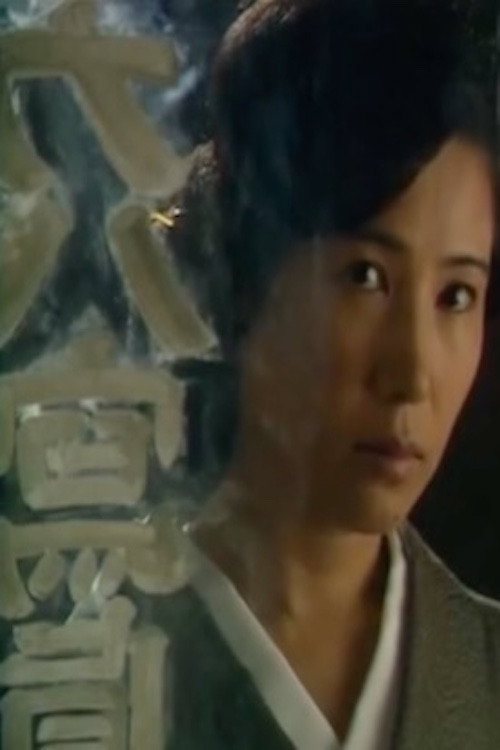
Tokyo Illusion 1986
In Akio Jissoji's *Tokyo Illusion* (1986), a haunting short film unfolds without a single word of dialogue. A mysterious, ethereal woman enters a photography studio, her fragile presence ensnaring the owner in a surreal web of obsession.
Director: Akio Jissoji
Cast


Frequently Asked Questions
What is Tokyo Illusion (1986) about?
*Tokyo Illusion* follows the magnetic pull between a photography studio owner and a fragile yet enigmatic woman whose presence feels almost otherworldly. As their encounter deepens, the owner finds himself trapped in a surreal spiral of desire and paranoia, where reality bends under the weight of illusion.
Who directed Tokyo Illusion?
Tokyo Illusion was directed by Akio Jissoji, a filmmaker celebrated for his visually rich and thematically layered works spanning fantasy and mystery genres.
Who stars in Tokyo Illusion?
The film stars Masami Horiuchi as the captivated studio owner and Kiriko Shimizu as the enigmatic woman at the heart of the story.
Is Tokyo Illusion (1986) worth watching?
While *Tokyo Illusion* isn't for viewers seeking traditional narratives, its 15-minute runtime offers a concentrated dose of Jissoji's signature style—atmospheric, wordless, and visually hypnotic. It's a cult gem for fans of experimental fantasy and those who appreciate cinema as an immersive experience rather than a plot-driven story.
How long is Tokyo Illusion?
*Tokyo Illusion* runs for 15 minutes.
About Tokyo Illusion (1986) — A Wordless Tale of Obsession and Illusion
In Akio Jissoji's *Tokyo Illusion* (1986), a haunting short film unfolds without a single word of dialogue. A mysterious, ethereal woman enters a photography studio, her fragile presence ensnaring the owner in a surreal web of obsession. As the story progresses, the boundaries between reality and illusion blur, drawing him deeper into a psychological descent fueled by hypnotic visuals and a hypnotic score. Jissoji, renowned for his atmospheric and visually poetic style, crafts a dreamlike narrative that lingers long after the credits roll.
Produced as a demonstration piece for analog high-definition video, *Tokyo Illusion* packs profound themes of temptation and ruin into just 15 minutes. The film's avant-garde approach—relying on imagery and music over exposition—makes it a standout in Japan's fantasy and mystery genres, showcasing the director's mastery of mood and ambiguity.