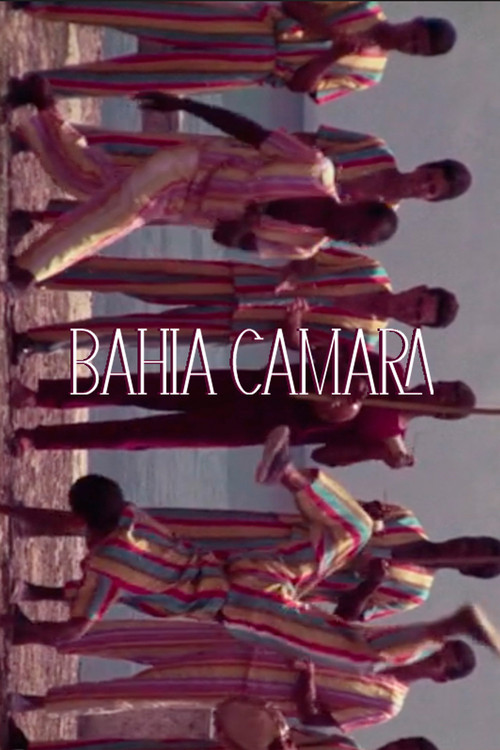
Bahia Camará 1968
Bahia Camará (1968) is a gripping documentary that delves into the Afro-Brazilian resistance traditions in Bahia. The film, directed by Norma Bahia Pontes, showcases the history of capoeira, a martial art brought from Angola, and its transformation into a national sport.
Director: Norma Bahia Pontes
Frequently Asked Questions
What is Bahia Camará (1968) about?
Bahia Camará is a documentary that explores the Afro-Brazilian resistance traditions in Bahia, including the history of capoeira and the candomblé terreiros.
Who directed Bahia Camará?
Norma Bahia Pontes directed Bahia Camará, bringing a unique perspective to the film's exploration of Afro-Brazilian culture.
Who stars in Bahia Camará?
Unfortunately, the cast of Bahia Camará is not listed.
Is Bahia Camará (1968) worth watching?
While Bahia Camará has an unrated IMDb score, its thought-provoking themes and captivating atmosphere make it a worthwhile watch for those interested in history, culture, and social justice.
How long is Bahia Camará?
Bahia Camará has a runtime of 16 minutes.
About Bahia Camará (1968) — Uncovering the Afro-Brazilian Resistance
Bahia Camará (1968) is a gripping documentary that delves into the Afro-Brazilian resistance traditions in Bahia. The film, directed by Norma Bahia Pontes, showcases the history of capoeira, a martial art brought from Angola, and its transformation into a national sport. The movie also explores the maculelê, a warrior dance from Mozambique, and the candomblé terreiros, a mystical cry of rebellion. Through these traditions, the film highlights the struggles of Afro-Brazilians against persecution and intolerance. With its powerful themes and captivating atmosphere, Bahia Camará is a must-watch for those interested in history, culture, and social justice.
This documentary is a time capsule of the Afro-Brazilian experience, offering a unique glimpse into the country's complex history. With its short runtime of 16 minutes, Bahia Camará is an easily digestible and thought-provoking film that will leave viewers eager for more.
Director Norma Bahia Pontes masterfully weaves together a narrative that is both informative and emotionally resonant. By exploring the history of Afro-Brazilian resistance traditions, the film sheds light on a often-overlooked aspect of Brazilian culture.