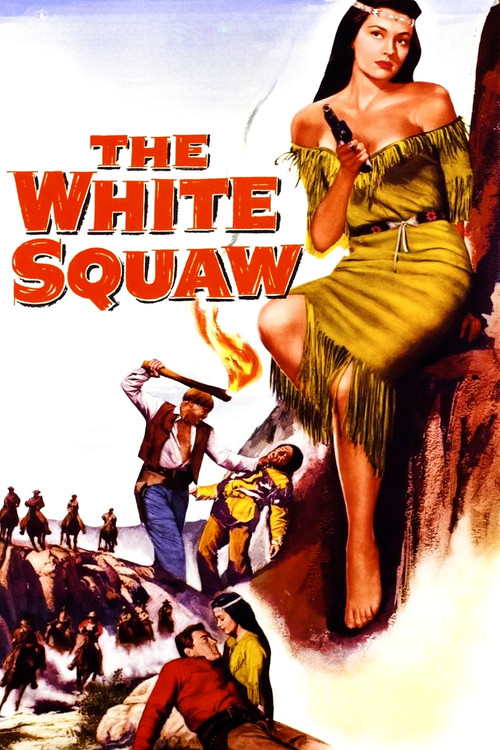
The White Squaw 1956
"Strange Adventure with THE WHITE SQUAW"
Set against the untamed Wyoming frontier in 1856, *The White Squaw* follows a determined Swedish settler whose confrontation with the Dakota tribes escalates into a full-blown conflict over land rights and cultural survival.
Director: Ray Nazarro
Cast
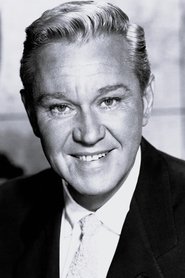
David Brian
Sigrod Swanson
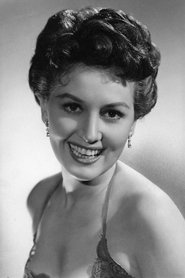
May Wynn
Ectay-O-Wahnee
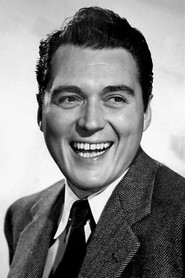
William Bishop
Bob Garth
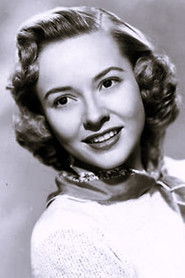
Nancy Hale
Kerry Arnold
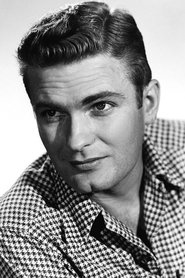
William Leslie
Thor Swanson
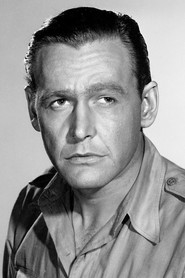
Myron Healey
Eric Swanson
Robert C. Ross
Knute Swanson
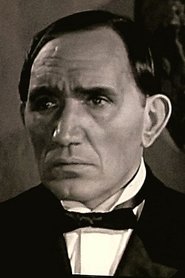
Frank De Kova
Yellow Elk
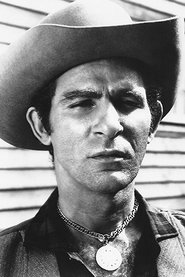
George Keymas
Yotah
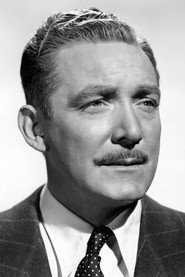
Roy Roberts
Edward Purvis, Indian Agent
Frequently Asked Questions
What is The White Squaw (1956) about?
The film centers on a Swedish settler in Wyoming whose efforts to remove the Dakota tribes from their ancestral lands spark a violent confrontation. As tensions rise, personal stakes and cultural clashes drive the story toward an explosive climax.
Who directed The White Squaw?
The White Squaw was directed by Ray Nazarro, known for his work in Westerns and adventure films of the 1950s.
Who stars in The White Squaw?
The film features David Brian in the lead role, alongside May Wynn, William Bishop, Nancy Hale, and William Leslie.
Is The White Squaw (1956) worth watching?
While not a household name, *The White Squaw* offers a solid Western experience with strong thematic depth and a runtime that keeps the pacing tight. Fans of classic frontier dramas will appreciate its historical backdrop and character-driven conflict.
How long is The White Squaw?
The White Squaw has a runtime of 73 minutes.
🎥 Trailer
About The White Squaw (1956) — A Gripping Western Drama of Land, Legacy, and Conflict
Set against the untamed Wyoming frontier in 1856, *The White Squaw* follows a determined Swedish settler whose confrontation with the Dakota tribes escalates into a full-blown conflict over land rights and cultural survival. Directed by Ray Nazarro, this 73-minute Western weaves themes of displacement, racial tension, and the clash between settlers and Native communities into a tense, atmospheric drama. With a backdrop of sweeping prairie landscapes and simmering distrust, the film explores the human cost of ambition and the fragile balance between justice and vengeance.
David Brian leads the cast as the controversial settler, supported by a compelling ensemble including May Wynn, William Bishop, and Nancy Hale, whose characters embody the moral and emotional complexities of a divided land. Nazarro's direction emphasizes gritty realism, blending action with quiet introspection to create a story that's as much about personal redemption as it is about historical conflict. *The White Squaw (1956)* stands out as a forgotten gem in the Western genre, offering a raw, thought-provoking look at a pivotal moment in American history.