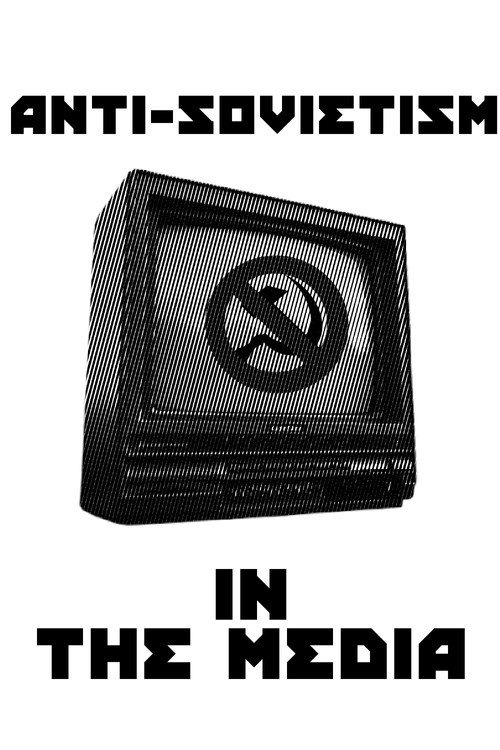
Anti-Sovietism in the Media 1986
Dive into the compelling documentary *Anti-Sovietism in the Media* (1986), where political analyst Michael Parenti examines the pervasive domestic anti-Soviet sentiment in the United States during the Cold War era.
Cast
Frequently Asked Questions
What is Anti-Sovietism in the Media (1986) about?
This documentary features Michael Parenti's lecture at UMass, where he critiques the anti-Soviet sentiment dominating American media during the 1980s. It explores how narratives about the Soviet Union were crafted, disseminated, and used to influence public and political opinion in the U.S.
Who directed Anti-Sovietism in the Media?
Director information is not available.
Who stars in Anti-Sovietism in the Media?
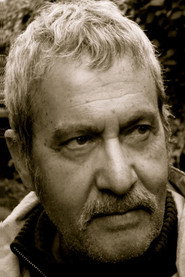
The documentary stars political analyst and author Michael Parenti, whose lecture forms the core of the film.
Is Anti-Sovietism in the Media (1986) worth watching?
While unrated on IMDb, this documentary offers a unique perspective on Cold War-era media bias and political rhetoric. Its focus on historical context and media manipulation makes it worth watching for students of history, politics, and media studies, even if it's a niche interest.
How long is Anti-Sovietism in the Media?
The runtime is 119 minutes.
About Anti-Sovietism in the Media (1986) — A 1980s Deep Dive into Media Bias and Cold War Rhetoric
Dive into the compelling documentary *Anti-Sovietism in the Media* (1986), where political analyst Michael Parenti examines the pervasive domestic anti-Soviet sentiment in the United States during the Cold War era. The film unfolds at the University of Massachusetts, where Parenti delivers a critical lecture that unravels how media narratives shaped public perception, often framing Soviet policies through a distorted lens. With a tone that blends academic rigor and fiery advocacy, the documentary captures the charged atmosphere of the 1980s, revealing how propaganda and ideological bias influenced both policy and public opinion. Parenti's sharp insights challenge viewers to question the narratives fed to them, making this a thought-provoking watch for history and media enthusiasts alike.
This 119-minute documentary stands as a bold exploration of media ethics, political rhetoric, and the power of persuasion. Through archival footage and Parenti's impassioned delivery, the film dissects how anti-Sovietism became a tool for shaping American foreign policy and domestic discourse. The documentary not only serves as a historical artifact but also as a timely reminder of how media narratives can be weaponized—then and now.