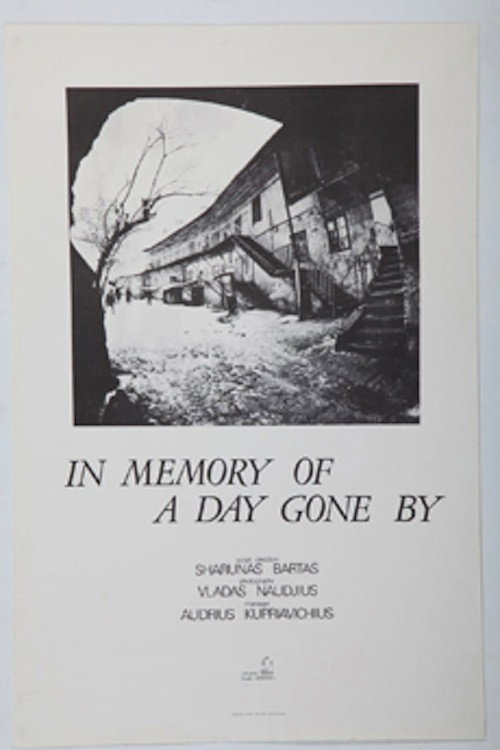
In Memory of the Day Passed By 1990
Experience the quiet intensity of Šarūnas Bartas' poetic documentary *In Memory of the Day Passed By (1990)*, where a bustling city at dawn unfolds through the lens of a wandering gaze.
Director: Šarūnas Bartas
Frequently Asked Questions
What is In Memory of the Day Passed By (1990) about?
This meditative documentary by Šarūnas Bartas captures a single day in a bustling city, focusing on the movements of a woman and child amidst the urban chaos. It's a visual poem about time, transience, and the invisible stories woven into everyday life.
Who directed In Memory of the Day Passed By?
The film was directed by Šarūnas Bartas, a Lithuanian filmmaker known for his evocative, atmospheric style that blends documentary realism with poetic introspection.
Who stars in In Memory of the Day Passed By?
Cast information for *In Memory of the Day Passed By (1990)* is not listed, as the film prioritizes observational documentary style over named performers.
Is In Memory of the Day Passed By (1990) worth watching?
For fans of slow cinema and documentary poetry, *In Memory of the Day Passed By (1990)* offers a compelling, atmospheric experience. While it may not suit viewers seeking traditional narratives, its visual and thematic depth make it a rewarding watch for those who appreciate Bartas' unique vision.
How long is In Memory of the Day Passed By?
The runtime for *In Memory of the Day Passed By (1990)* is 40 minutes.
About In Memory of the Day Passed By (1990) — A poetic documentary on urban life and fleeting time
Experience the quiet intensity of Šarūnas Bartas' poetic documentary *In Memory of the Day Passed By (1990)*, where a bustling city at dawn unfolds through the lens of a wandering gaze. The film captures a fleeting yet vivid day—streets humming with life, pedestrians crisscrossing dusty thoroughfares, and the rhythmic pulse of urban existence. Amidst this backdrop, a woman and her child traverse the space, their presence grounding the film's meditative exploration of time, transience, and the unseen layers of everyday movement. Bartas' visual poetry lingers on ordinary moments, transforming them into a meditation on the rhythms of life and the stories that shape our perception of the world.
Shot in stark, immersive black-and-white, the documentary eschews traditional narrative for a sensory journey through sound and image. The cacophony of city life—horns blaring, footsteps echoing—sets the tone for a work that feels both timeless and urgently real. Here, a day is not just a passing of hours but a tapestry of fleeting connections, where even the most mundane encounters leave an indelible mark. Bartas crafts a cinematic experience that lingers long after the credits roll, inviting viewers to reconsider the beauty in the overlooked.