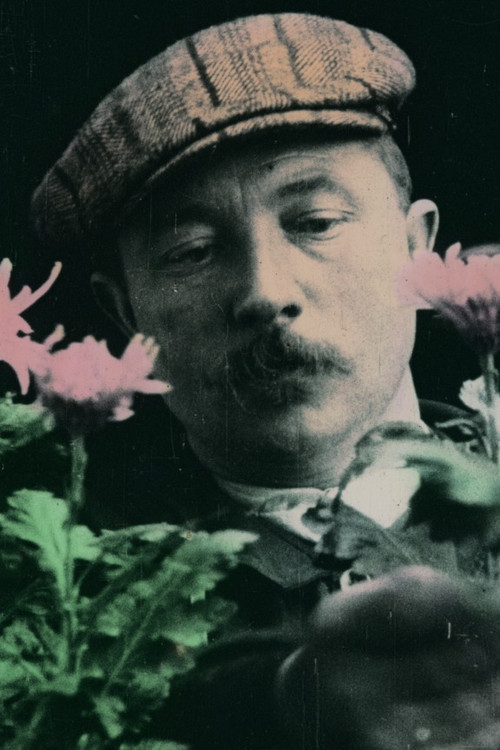
Chrysanthemum, King of Autumn 1914
Step back to the silent-era golden age with *Chrysanthemum, King of Autumn (1914)*, a delicate three-minute documentary that turns a single bloom into a fleeting poem of early 20th-century artistry.
Frequently Asked Questions
What is Chrysanthemum, King of Autumn (1914) about?
*Chrysanthemum, King of Autumn* is a short silent documentary that focuses on the chrysanthemum, capturing its delicate structure and symbolic richness through close-up cinematography. The film frames the flower as a seasonal monarch, evoking themes of beauty, time, and transient glory in just three minutes.
Who directed Chrysanthemum, King of Autumn?
Director information is not available.
Who stars in Chrysanthemum, King of Autumn?
Cast details are not listed for this early silent documentary.
Is Chrysanthemum, King of Autumn (1914) worth watching?
Though unrated and brief, the film offers a charming glimpse into silent-era documentary style and early cinematic aesthetics. Its poetic focus on a single flower makes it a curious watch for early film enthusiasts and fans of botanical cinema.
How long is Chrysanthemum, King of Autumn?
The runtime is approximately 3 minutes.
About Chrysanthemum, King of Autumn (1914) — A 3-Minute Silent Ode to Autumn's Royal Flower
Step back to the silent-era golden age with *Chrysanthemum, King of Autumn (1914)*, a delicate three-minute documentary that turns a single bloom into a fleeting poem of early 20th-century artistry. Shot in soft monochrome, the short film gently lingers on the chrysanthemum's layered petals and cascading elegance, transforming a common flower into a regal emblem of seasonal transition. Through patient close-ups and classical framing, the picture quietly celebrates the flower's symbolism—longevity, joy, and the passage of time—while offering a window into the visual language of silent cinema.
Though modest in length, the film carries the curiosity of a pioneering curiosity reel, showcasing the era's fascination with natural beauty and the technical artistry of early cinematography. Its restrained charm lies not in spectacle, but in the way it elevates the everyday into something quietly majestic—an autumn monarch captured in silver light and silent reverence.