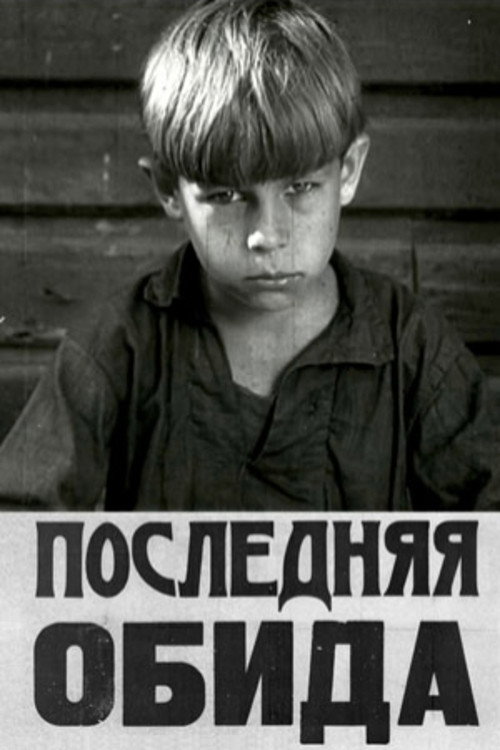
The Last Grudge 1930
Directed by Mikhail Doronin, *The Last Grudge (1930)* is a poignant silent-era drama that shines a light on the outdated and harmful practice of corporal punishment in child-rearing.
Director: Mikhail Doronin
Cast
Frequently Asked Questions
What is *The Last Grudge* (1930) about?
This short drama by Mikhail Doronin tackles the controversial yet critical issue of corporal punishment in child-rearing. It follows families navigating the transition from punitive methods to more humane approaches, highlighting the emotional and psychological toll of outdated discipline.
Who directed *The Last Grudge*?
The film was directed by Mikhail Doronin, a filmmaker known for his contributions to early Soviet cinema and its focus on social and educational themes.
Who stars in *The Last Grudge*?
The cast features Anna Chekulaeva, V. Snezhinskaya, M. Libakov-Ilyinskiy, and Vladimir Vesnovsky in key roles that bring the story's emotional weight to life.
Is *The Last Grudge* (1930) worth watching?
While *The Last Grudge* is a historical drama with a niche appeal, its themes of compassion and progress resonate today. As a silent-era film, it's best suited for classic cinema enthusiasts or those interested in early 20th-century social commentary.
How long is *The Last Grudge*?
The runtime of *The Last Grudge* is 42 minutes.
About The Last Grudge (1930) — A Silent Drama That Challenged Harsh Discipline
Directed by Mikhail Doronin, *The Last Grudge (1930)* is a poignant silent-era drama that shines a light on the outdated and harmful practice of corporal punishment in child-rearing. Through a compelling narrative and atmospheric storytelling, the film explores the emotional toll of harsh discipline on families, contrasting it with the warmth and stability of modern, compassionate parenting. Set against the backdrop of early 20th-century societal shifts, the movie blends family dynamics with a forward-thinking critique of tradition, making it both a historical artifact and a timeless message about progress.
Starring Anna Chekulaeva and Vladimir Vesnovsky, the film's restrained yet powerful performances draw viewers into its emotional core, leaving a lasting impression of how far society has come in understanding the importance of nurturing over punishment. The black-and-white cinematography enhances the stark contrast between oppression and liberation, immersing audiences in a world where the last vestiges of outdated practices are finally put to rest.