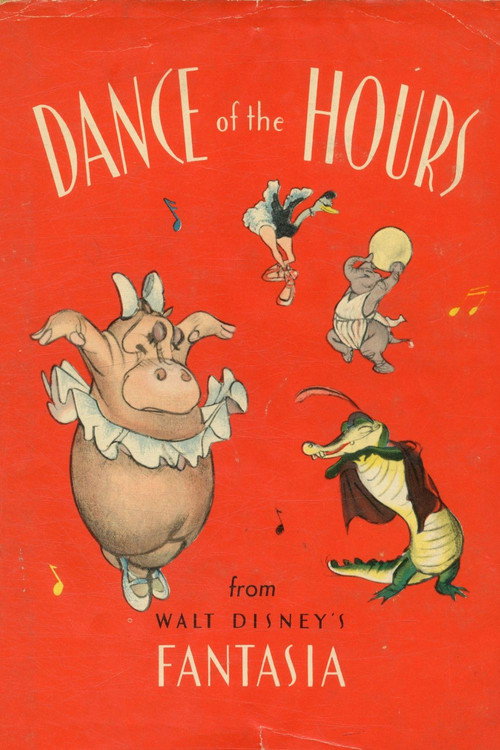
Dance of the Hours 1940
Step into the whimsical world of early 20th-century opera with *Dance of the Hours (1940)*, a delightful short film that marries music and movement in a way that feels both timeless and utterly charming.
Frequently Asked Questions
What is Dance of the Hours (1940) about?
This 1940s short film explores a whimsical ballet where animals and humans perform a series of exaggerated dances, blending classical music with comedic storytelling. While the exact plot is unclear, the film's charm lies in its playful, chaotic energy.
Who directed Dance of the Hours?
Director information is not available.
Who stars in Dance of the Hours?
The film features an ensemble cast, though specific names are not listed in available records.
Is Dance of the Hours (1940) worth watching?
Given its obscure status and lack of plot details, *Dance of the Hours* may appeal most to fans of early cinematic experiments or classical ballet. Its uniqueness and historical value make it a curiosity worth exploring for dedicated film buffs.
How long is Dance of the Hours?
Runtime details are not listed.
About Dance of the Hours (1940) — The Quirky 1940s Short Film Blending Music and Movement
Step into the whimsical world of early 20th-century opera with *Dance of the Hours (1940)*, a delightful short film that marries music and movement in a way that feels both timeless and utterly charming. Directed by an unknown filmmaker, this 1940s gem offers a lighthearted escape into a ballet of animals and humans alike, each character caught in their own lively routine. Set against a backdrop of grand opera houses and lush gardens, the film blends classical music with slapstick humor, creating an atmosphere that's equal parts sophisticated and silly. While plot details remain scarce, the film's playful tone and creative choreography hint at a celebration of the absurd, where tradition meets fun in the most unexpected ways.
Though short in runtime, *Dance of the Hours (1940)* stands out for its sheer inventiveness, blending genres to appeal to fans of both classical arts and comedic spectacle. The film's charm lies in its ability to surprise, using music and dance to tell a story without words. Whether you're a history buff, a music lover, or simply curious about early cinematic experiments, this obscure 1940s piece is a hidden gem worth uncovering.