El muro 1947
El muro (1947), Leopoldo Torre Nilsson's striking directorial debut at just 22 years old, offers a haunting glimpse into the mind of a future cinematic visionary.
Director: Leopoldo Torre Nilsson
Cast

Frequently Asked Questions
What is El muro (1947) about?
El muro explores loneliness and societal disillusionment through an introspective narrative, set against the backdrop of post-war Argentina. The film delves into themes of moral conflict and personal identity, using stark visuals to mirror the inner turmoil of its protagonist. Though minimalist in length, it packs emotional and thematic weight.
Who directed El muro?
El muro was directed by Leopoldo Torre Nilsson, who would go on to become one of Argentina's most influential filmmakers. At just 22, this short marked his cinematic debut and showcased his distinctive approach to storytelling.
Who stars in El muro?
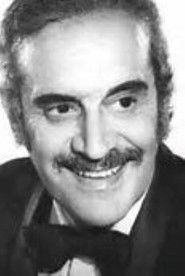
The short film features Beto Gianola, Hugo Mújica, and Bárbara Mújica in its lead roles.
Is El muro (1947) worth watching?
While El muro is little-known outside of cinephile circles, its historical significance as Torre Nilsson's debut and its thematic depth make it worth seeking out for fans of early Argentine cinema. Its eight-minute runtime offers a concentrated dose of atmospheric storytelling, though it may resonate more with those interested in the director's later work or the evolution of Latin American auteur films.
How long is El muro?
El muro (1947) has a runtime of 8 minutes.
About El muro (1947) — Leopoldo Torre Nilsson's early masterpiece of isolation and identity
El muro (1947), Leopoldo Torre Nilsson's striking directorial debut at just 22 years old, offers a haunting glimpse into the mind of a future cinematic visionary. This eight-minute short film, adapted from one of his own stories, weaves together themes of isolation, societal tension, and fractured identity that would later define his acclaimed body of work. With an expressionist visual style rooted in literary depth, the film captures the unease of post-war Argentina through stark imagery and introspective storytelling. Though Torre Nilsson himself dismissed it as a "sin of youth," the film reveals an early mastery of mood and narrative that set the stage for his groundbreaking contributions to Argentine cinema.
A product of its turbulent era, El muro reflects the moral ambiguities and cultural shifts of 1940s society through a lens both personal and universal. Its brief runtime belies its thematic richness, blending melancholy with stylistic boldness to create a short film that lingers in the memory. For fans of arthouse cinema or those exploring the origins of Latin American auteur filmmaking, this early work is a fascinating footnote in the evolution of a director who would redefine modern Argentine storytelling.