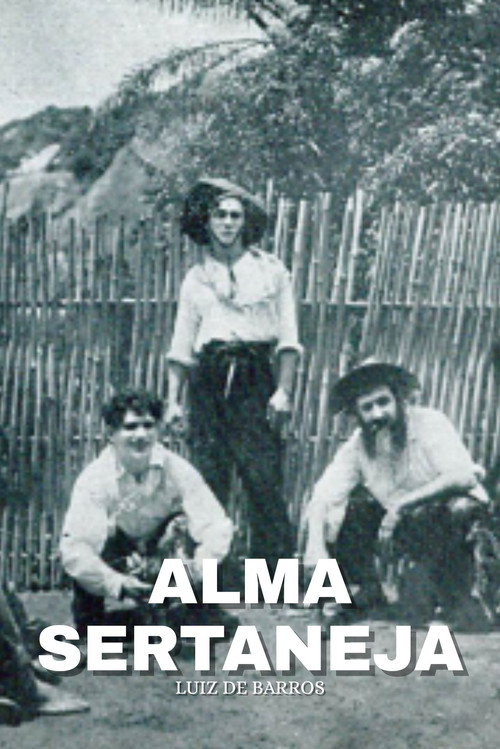
Alma Sertaneja 1919
Dive into the dramatic depths of Brazil's silent-era cinema with *Alma Sertaneja* (1919), a compelling drama from visionary director Luiz de Barros.
Director: Luiz de Barros
Cast





Frequently Asked Questions
What is Alma Sertaneja (1919) about?
This silent-era Brazilian drama follows a protagonist from the sertão, a region marked by harsh landscapes and deep traditions, as he grapples with love, betrayal, and survival. The film's emotional core lies in its portrayal of human resilience against the backdrop of rural life.
Who directed Alma Sertaneja?
Alma Sertaneja was directed by Luiz de Barros, a pioneer in Brazilian cinema who helped shape the country's early film industry.
Who stars in Alma Sertaneja?
The film features a talented cast including Álvaro Fonseca, Antônia Denegri, Otília Amorim, João de Deus, and Pedro Dias.
Is Alma Sertaneja (1919) worth watching?
While *Alma Sertaneja* may lack modern production values, its historical significance and emotional depth make it a fascinating watch for silent film enthusiasts and those interested in Brazil's cinematic legacy. It's a rare window into early 20th-century storytelling.
How long is Alma Sertaneja?
Runtime details are not listed for this 1919 silent film.
About Alma Sertaneja (1919) — Silent Drama Classic from Brazil's Golden Era
Dive into the dramatic depths of Brazil's silent-era cinema with *Alma Sertaneja* (1919), a compelling drama from visionary director Luiz de Barros. Set against the rugged landscapes of the sertão, this early Brazilian film explores the struggles and passions of rural life with raw emotional intensity. The story follows Álvaro Fonseca as a determined protagonist navigating love, betrayal, and survival in a harsh environment, surrounded by a cast that includes the captivating Antônia Denegri and Otília Amorim, both delivering powerful performances. The film's black-and-white visuals and silent storytelling transport viewers to a bygone era, where every glance and gesture speaks volumes.
A product of its time, *Alma Sertaneja* captures the essence of early 20th-century Brazilian drama, blending social commentary with personal drama. The atmosphere is thick with tension and melancholy, reflecting the hardships faced by its characters while celebrating their resilience. Though silent, the film's narrative is vivid, using expressive cinematography to convey emotions that words couldn't capture. For fans of classic cinema or those exploring Brazil's rich film heritage, this gem offers a rare glimpse into a pivotal moment in Latin American film history.