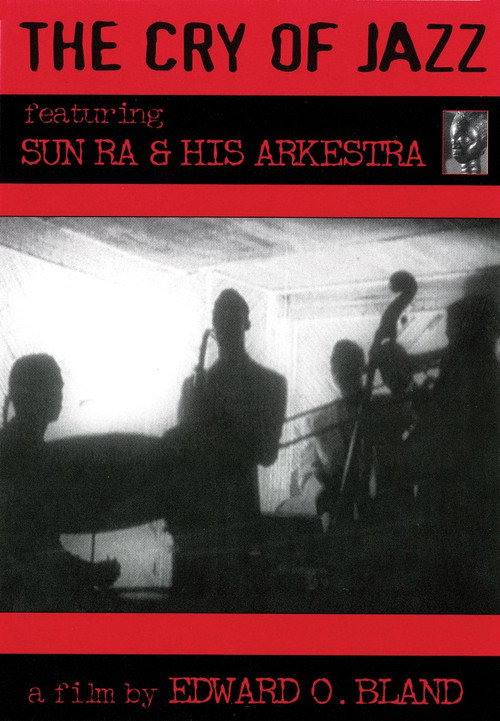
The Cry of Jazz 1959
The Cry of Jazz (1959) is a thought-provoking documentary by Edward O. Bland, delving into the politics of music and race. Shot in Chicago and completed in 1959, this film is a landmark moment in black cinema, foreshadowing the civil unrest of the decades to come.
Director: Edward Bland
Cast

Frequently Asked Questions
What is The Cry of Jazz (1959) about?
The Cry of Jazz is a documentary that explores the politics of music and race, foreshadowing the civil unrest of the decades to come.
Who directed The Cry of Jazz?
Edward O. Bland directed The Cry of Jazz.
Who stars in The Cry of Jazz?
The film features George Waller, Dorothea Horton, and Sun Ra, among others.
Is The Cry of Jazz (1959) worth watching?
While The Cry of Jazz may not have a traditional narrative, its thought-provoking themes and powerful commentary make it a must-watch for music enthusiasts and those interested in the intersection of art and politics. With an unrated IMDb rating, this film is a hidden gem waiting to be discovered.
How long is The Cry of Jazz?
The Cry of Jazz has a runtime of 34 minutes.
About The Cry of Jazz (1959) — A Haunting Documentary Forecasting the Death of Jazz
The Cry of Jazz (1959) is a thought-provoking documentary by Edward O. Bland, delving into the politics of music and race. Shot in Chicago and completed in 1959, this film is a landmark moment in black cinema, foreshadowing the civil unrest of the decades to come. Featuring the only known footage of Sun Ra, a visionary pianist from his beloved Chicago period, and showcasing tenor saxophonist John Gilmore with the Arkestra, The Cry of Jazz is a must-watch for music enthusiasts and those interested in the intersection of art and politics. With its concise 34-minute runtime, this documentary is an easily digestible yet impactful exploration of the 'death of jazz' that Bland predicted. Through its striking images and poignant commentary, The Cry of Jazz invites viewers to reflect on the power of music to shape our world and our understanding of ourselves. A testament to Bland's vision and artistry, this film remains a powerful and relevant work today, a true classic of documentary cinema.
Edward Bland's The Cry of Jazz is a powerful and haunting documentary that offers a unique perspective on the world of music and its relationship to the human experience. Shot in the late 1950s, this film is a product of its time, yet its themes and messages continue to resonate with audiences today. With its blend of music, politics, and social commentary, The Cry of Jazz is a film that will leave viewers thinking long after the credits roll.