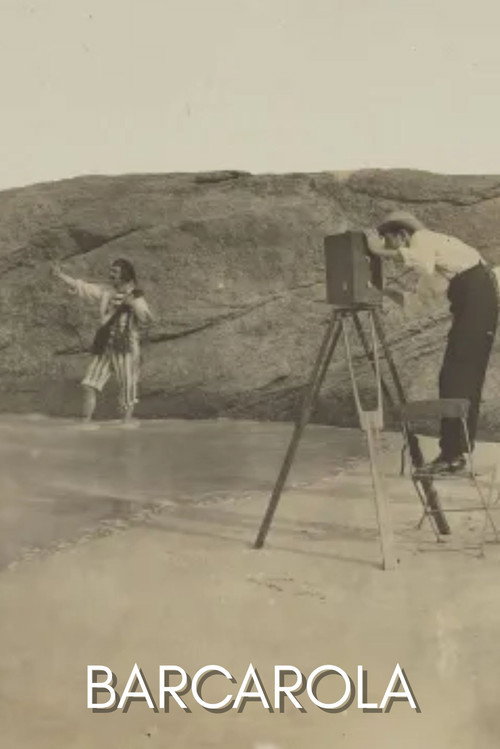
Barcarola 1908
Barcarola (1908) stands as a landmark in Brazilian cinema, marking the nation's very first attempt at synchronized sound with actors performing live behind the screen to match pre-recorded images.
Director: Julio Ferrez
Cast
Frequently Asked Questions
What is Barcarola (1908) about?
While the exact synopsis is lost, Barcarola likely wove a story around the romantic allure of Offenbach's *Barcarolle*, blending operatic drama with early cinematic innovation. The film's experimental sound design allowed actors to dub their performances live, creating a unique fusion of music and motion.
Who directed Barcarola?
Barcarola was directed by Júlio Ferrez, a pioneer in Brazilian cinema whose work pushed the boundaries of early filmmaking.
Who stars in Barcarola?
The film features Antônio Cataldi as the lead performer, with the cast including other unnamed actors who brought Offenbach's operetta to life through live dubbing.
Is Barcarola (1908) worth watching?
As a historic curiosity, Barcarola offers a fascinating glimpse into the dawn of synchronized sound in cinema. Its significance as Brazil's first "sound" film makes it essential for film buffs, though its age and experimental nature may limit broader appeal. A must-see for silent-film enthusiasts.
How long is Barcarola?
Runtime details are not listed.
About Barcarola (1908) — Brazil's groundbreaking silent-to-sound experiment inspired by Offenbach
Barcarola (1908) stands as a landmark in Brazilian cinema, marking the nation's very first attempt at synchronized sound with actors performing live behind the screen to match pre-recorded images. Directed by the visionary Júlio Ferrez, this short musical film drew inspiration from Jacques Offenbach's enchanting operetta *Les contes d'Hoffmann*, infusing its narrative with the melodic allure of the iconic "Barcarolle." Though the exact plot remains a mystery, the title itself whispers promises of romantic, water-borne serenades and theatrical grandeur, evoking the charm of 19th-century European opera staged in early 20th-century Brazil.
The film's atmosphere pulses with a unique blend of innovation and nostalgia, blending silent-era visuals with the daring experiment of live sound—an audacious feat for its time. Barcarola isn't just a cinematic curiosity; it's a bridge between two artistic eras, where pioneers like Ferrez dared to redefine what film could be. While details of its narrative are lost to history, the spirit of its inspiration endures in every note of Offenbach's timeless composition, making it a must-know piece for film and music historians alike.