Outrage 1970
Jun'ichi Okuyama's *Outrage* (1970) is a bold, experimental short film crafted through a meticulous process of reversible film development.
Director: Jun'ichi Okuyama
Frequently Asked Questions
What is Outrage (1970) about?
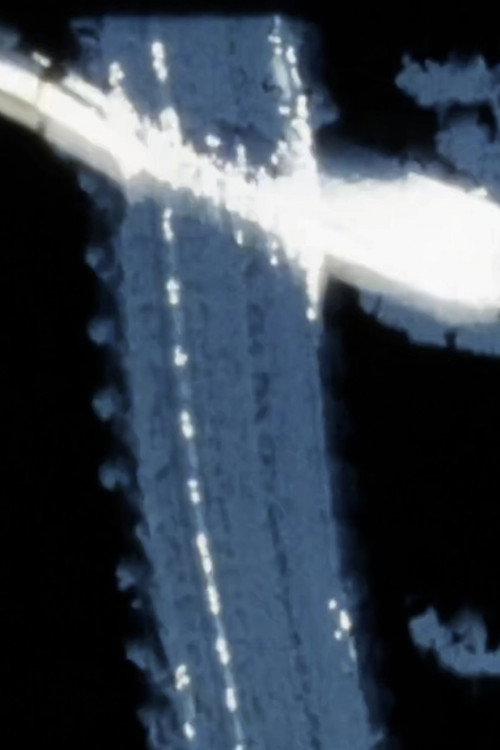
*Outrage* is a groundbreaking experimental short film where director Jun'ichi Okuyama manipulates celluloid by scratching its emulsion during development. The scratches, invisible at first, reveal themselves in a striking yellow hue once the film is fixed, creating a surreal and hypnotic visual effect.
Who directed Outrage?
Jun'ichi Okuyama directed *Outrage*, a pioneering experimental film known for its unconventional techniques and bold visual storytelling.
Who stars in Outrage?
Cast details for *Outrage* are not publicly listed, as the film focuses more on abstract visuals than traditional performances.
Is Outrage (1970) worth watching?
*Outrage* is a niche experimental film best suited for fans of avant-garde cinema. While unconventional, its striking visuals and innovative techniques make it a fascinating watch for those interested in the boundaries of film artistry.
How long is Outrage?
The runtime of *Outrage* is approximately 3 minutes.
About Outrage (1970) — Experimental Film Where Scratches Breathe Life into Celluloid
Jun'ichi Okuyama's *Outrage* (1970) is a bold, experimental short film crafted through a meticulous process of reversible film development. Using a specialized negative-processing bath, Okuyama hand-scratches the emulsion with his fingernails, transforming the monochrome surface into a striking visual puzzle. The scratches, initially invisible, emerge in vivid yellow hues when the fixative is applied, creating a haunting interplay of light and texture. This avant-garde approach blurs the line between destruction and creation, turning a simple act of defiance into a mesmerizing cinematic statement.
Okuyama's work challenges conventional filmmaking, embracing imperfection and spontaneity as core artistic principles. The fleeting 3-minute runtime intensifies the experience, leaving viewers with an ephemeral yet unforgettable impression. Through *Outrage*, the director invites audiences to reconsider the boundaries of film as both medium and message, where even the smallest gestures can ripple into something profound.