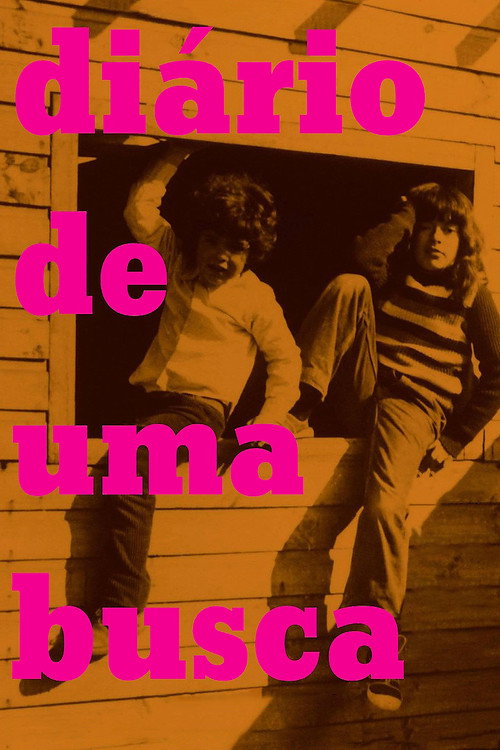
Diário de Uma Busca 2011
Flávia Castro's gripping documentary Diário de Uma Busca (2011) plunges into one of Brazil's most haunting political mysteries, weaving a deeply personal narrative centered on a tragic 1984 event in Porto Alegre.
Director: Flávia Castro
Frequently Asked Questions
What is Diário de Uma Busca (2011) about?
This documentary follows filmmaker Flávia Castro as she investigates the 1984 suicide of her activist father, who stormed the home of a former Paraguayan consul—a man with ties to Nazi ideology. The film blends personal grief with a broader examination of dictatorship-era violence and unresolved justice.
Who directed Diário de Uma Busca?
Flávia Castro directed Diário de Uma Busca. Known for her intimate and politically charged documentaries, Castro crafts a deeply personal yet universally resonant story in this film.
Who stars in Diário de Uma Busca?
Director Flávia Castro stars in the film as herself, accompanied by archival footage and interviews with family members and historians.
Is Diário de Uma Busca (2011) worth watching?
While it doesn't have an IMDb rating to gauge reception, Diário de Uma Busca is a critically praised documentary that offers a rare blend of investigative journalism and emotional storytelling. Its raw honesty and political weight make it compelling for fans of historical documentaries and personal narratives alike.
How long is Diário de Uma Busca?
Diário de Uma Busca has a runtime of 104 minutes.
About Diário de Uma Busca (2011) — A daughter's search for truth in Brazil's political past
Flávia Castro's gripping documentary Diário de Uma Busca (2011) plunges into one of Brazil's most haunting political mysteries, weaving a deeply personal narrative centered on a tragic 1984 event in Porto Alegre. On that fateful day, the news broke that an activist had stormed the home of a former Paraguayan consul—only to take his own life afterward. The activist was Flávia's father, a left-wing militant who had been investigating the consul's ties to a dark past as an ex-Nazi. Through archival footage, intimate family recollections, and stark political commentary, the film transforms a cold newspaper headline into a visceral exploration of memory, justice, and the lasting scars of dictatorship-era violence.
The documentary unfolds with a quiet intensity, balancing investigative rigor with emotional depth as it reconstructs a moment that shattered two families and exposed the lingering shadows of authoritarian regimes. Shot in a raw, vérité style, Diário de Uma Busca (2011) immerses viewers in a world where history isn't just recorded—it's lived, questioned, and agonized over. The result is a profound meditation on guilt, legacy, and the search for truth in a country still grappling with its past.