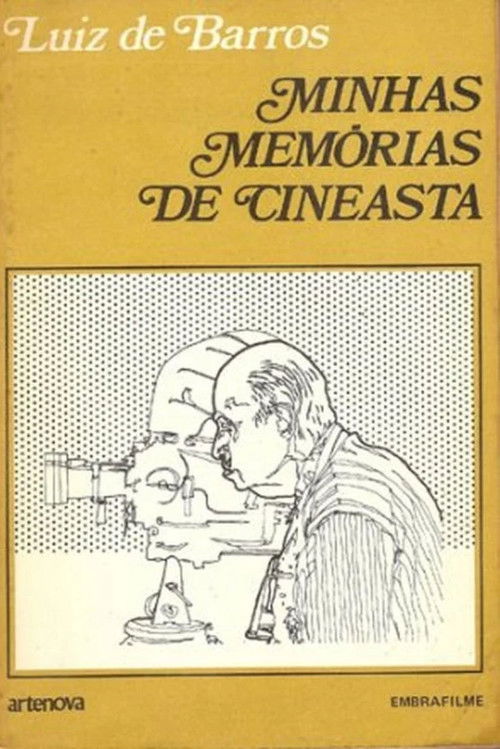
Uma Encrenca no Olimpo 1929
Uma Encrenca no Olimpo (1929) is a rare silent-era comedy that never reached audiences, overshadowed by its companion film *Acabaram-se os Otários*.
Director: Luiz de Barros
Cast
Frequently Asked Questions
What is Uma Encrenca no Olimpo (1929) about?
Uma Encrenca no Olimpo is a silent-era comedy that never saw the light of day, produced alongside another film but left unreleased. Its plot remains a mystery, though it likely featured the comedic antics typical of early Brazilian cinema.
Who directed Uma Encrenca no Olimpo?
Luiz de Barros directed Uma Encrenca no Olimpo. Known for his work in early Brazilian cinema, he crafted films that reflected the cultural and comedic trends of the time.
Who stars in Uma Encrenca no Olimpo?
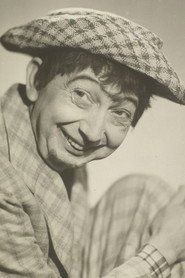
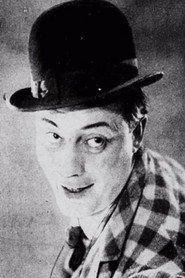
The main cast includes Genésio Arruda and Tom Bill, two figures who contributed to the lively spirit of 1920s Brazilian filmmaking.
Is Uma Encrenca no Olimpo (1929) worth watching?
As a lost silent comedy, Uma Encrenca no Olimpo has appeal for film historians and silent-era enthusiasts. While its lack of release limits its impact, its connection to early cinema makes it a curious watch for those interested in the evolution of comedy on screen.
How long is Uma Encrenca no Olimpo?
Runtime details are not listed for Uma Encrenca no Olimpo (1929).
About Uma Encrenca no Olimpo (1929) — The Untold Story of a Lost Silent Comedy
Uma Encrenca no Olimpo (1929) is a rare silent-era comedy that never reached audiences, overshadowed by its companion film *Acabaram-se os Otários*. Directed by the prolific Luiz de Barros, this lost gem captures the playful chaos of early Brazilian cinema with its lively characters and slapstick energy.
Though never released, the film's premise promises a whirlwind of misunderstandings and farcical situations, a hallmark of the genre. Imbued with the spirit of 1920s filmmaking, it offers a glimpse into the comedic style of the era, blending wit with visual gags. While the details remain scarce, its unfinished status only adds to its mystique, making it a fascinating footnote in film history.