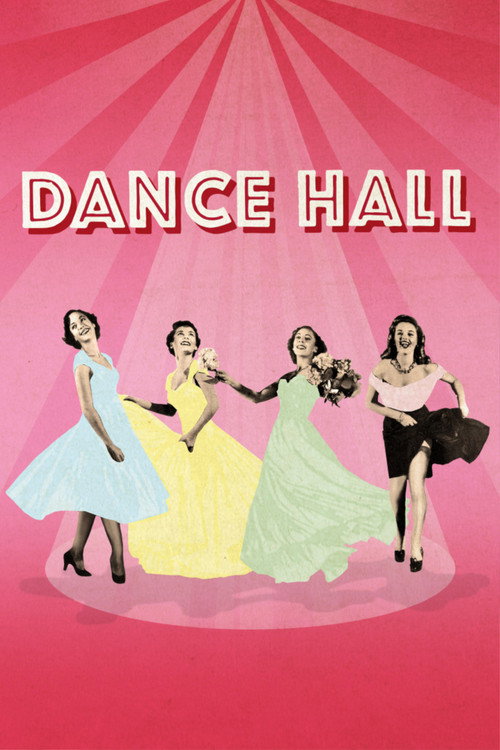
Dance Hall 1950
Set against the gritty post-war backdrop of Chiswick, London, *Dance Hall* (1950) weaves an episodic drama of four spirited factory workers navigating love and life in a city still scarred by war.
Director: Charles Crichton
Cast
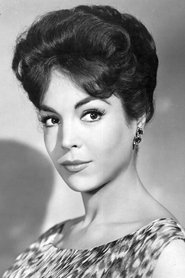
Natasha Parry
Eve

Jane Hylton
Mary

Diana Dors
Carole

Petula Clark
Georgie
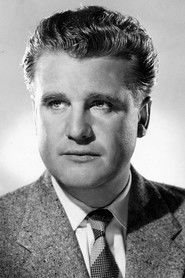
Donald Houston
Phil

Bonar Colleano
Alec
Douglas Barr
Peter
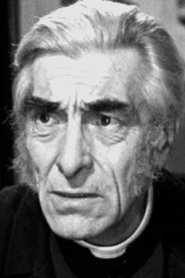
Fred Johnson
Mr. Wilson
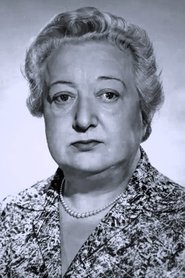
Gladys Henson
Mrs. Wilson
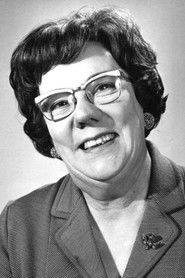
Dandy Nichols
Mrs. Crabtree
Frequently Asked Questions
What is Dance Hall (1950) about?
*Dance Hall* follows four factory workers in Chiswick as they balance their daily grind with the pursuit of love and excitement at their neighborhood dance hall. Each woman's journey unfolds in distinct episodes, showcasing how romance and resilience intertwine in post-war Britain.
Who directed Dance Hall?
Charles Crichton directed *Dance Hall*. Known for his keen eye for character and social settings, Crichton crafts a film that feels both intimate and expansive in its historical detail.
Who stars in Dance Hall?
The film features Natasha Parry, Jane Hylton, Diana Dors, and Petula Clark as the four key factory girls, supported by Donald Houston and Bonar Colleano.
Is Dance Hall (1950) worth watching?
While not a blockbuster, *Dance Hall* offers a charming and authentic glimpse into post-war London, elevated by its strong female ensemble and Crichton's direction. Fans of vintage British dramas or historical romances will find much to appreciate in its episodic storytelling.
How long is Dance Hall?
Dance Hall runs for 80 minutes.
🎥 Trailer
Dance Hall (1950) — A Post-War London Romance Through Women's Eyes
Set against the gritty post-war backdrop of Chiswick, London, *Dance Hall* (1950) weaves an episodic drama of four spirited factory workers navigating love and life in a city still scarred by war. Directed by Charles Crichton, this underrated gem offers a rare feminine lens on romance, capturing the raw energy of 1950s Britain with its trolleybuses, bomb-site beauty, and lingering rationing struggles. The film's focus on four distinct women—each with her own dreams and heartaches—makes it a standout for its time, blending personal storytelling with a vivid snapshot of urban resilience.
While the narrative unfolds in the glow of a local dance hall, the real stars are the characters themselves, their relationships tested by the era's constraints and opportunities. Crichton's direction infuses the film with a lively yet nostalgic tone, making it a time capsule of both social history and heartfelt entertainment. Today, *Dance Hall* is celebrated not just as a romance, but as a window into a transformative period for British cinema.