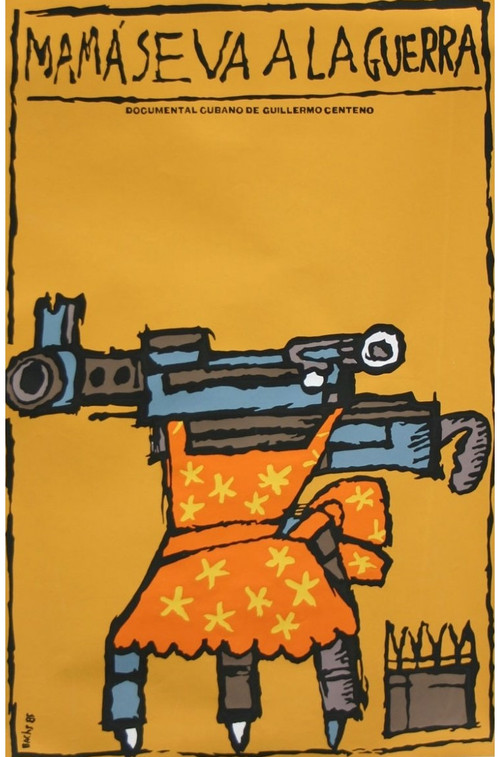
Mamá se va a la guerra 1984
Directed by Guillermo Centeno in 1984, *Mamá se va a la guerra* is a gripping 17-minute documentary that dives into the extraordinary resilience of Cuban women defending the Revolution.
Director: Guillermo Centeno
Frequently Asked Questions
What is Mamá se va a la guerra (1984) about?
This 1984 documentary follows Cuban women as they undergo military training for the MTT, highlighting their determination to defend the Revolution. The film explores the physical, psychological, and social challenges they face while balancing personal lives and patriotic duty.
Who directed Mamá se va a la guerra?
Mamá se va a la guerra was directed by Guillermo Centeno, a filmmaker who captured the spirit of resilience and change in Cuban society during the 1980s.
Who stars in Mamá se va a la guerra?
Cast information for this documentary is not available, but the film prominently features Cuban women undergoing military training for the MTT.
Is Mamá se va a la guerra (1984) worth watching?
While short, this documentary offers a unique and inspiring perspective on female empowerment during a pivotal moment in Cuban history. Its focus on resilience and collective struggle makes it a compelling watch for fans of historical and socio-political films.
How long is Mamá se va a la guerra?
Mamá se va a la guerra has a runtime of 17 minutes.
About Mamá se va a la guerra (1984) — A Documentary on Cuban Women's Revolutionary Courage
Directed by Guillermo Centeno in 1984, *Mamá se va a la guerra* is a gripping 17-minute documentary that dives into the extraordinary resilience of Cuban women defending the Revolution. Set against the backdrop of military training for the MTT, the film captures their fierce determination in the face of physical, psychological, and social challenges. Through raw and intimate visuals, Centeno paints a portrait of women stepping beyond traditional roles, showcasing their courage and solidarity as they train for a cause greater than themselves. The atmosphere is tense yet inspiring, blending personal struggle with collective purpose, leaving audiences with a profound sense of admiration for these unsung heroes.
This short but powerful film is more than just a historical document—it's a celebration of female empowerment in the midst of revolution. *Mamá se va a la guerra (1984)* stands as a testament to the strength of ordinary women thrust into extraordinary circumstances, their journey both a personal odyssey and a patriotic duty. The documentary's tight runtime belies its emotional depth, offering a snapshot of resilience that resonates far beyond its brief runtime.