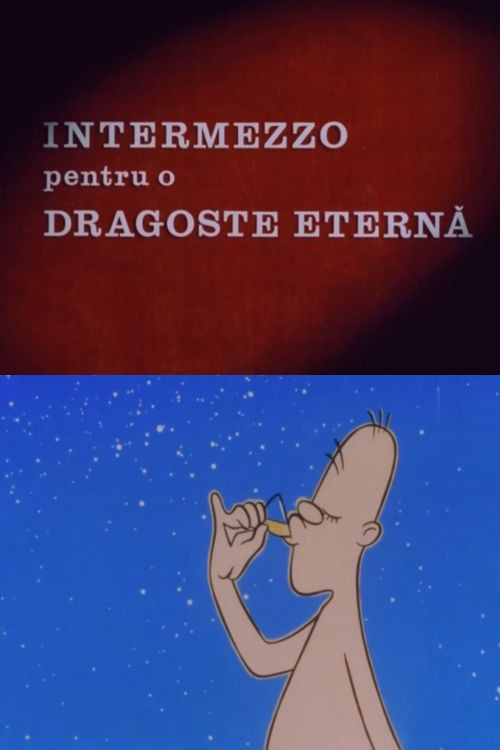
Intermezzo for an Eternal Love 1974
Romanian animation legend Ion Popescu-Gopo delivers a hauntingly concise warning in *Intermezzo for an Eternal Love* (1974), a nine-minute allegory painted in stark black-and-white.
Director: Ion Popescu-Gopo
Frequently Asked Questions
What is *Intermezzo for an Eternal Love* (1974) about?
This Romanian animated short follows a simple man who discovers the Earth teetering on the edge of catastrophe due to rampant pollution. Through stark visuals and symbolic storytelling, the film frames environmental decay as a universal threat, urging immediate reflection on humanity's role in its preservation.
Who directed *Intermezzo for an Eternal Love*?
The film was directed by Ion Popescu-Gopo, a pioneering Romanian animator known for blending social commentary with minimalist animation.
Who stars in *Intermezzo for an Eternal Love*?
The cast is not officially listed, but the film centers on an everyman protagonist voiced or animated to convey its emotional core.
Is *Intermezzo for an Eternal Love* (1974) worth watching?
While the film is unrated, its bold artistic vision and urgent ecological theme make it a noteworthy watch for fans of animation and introspective cinema. Its brief runtime and striking visuals offer a memorable experience for those curious about mid-century Eastern European animation.
How long is *Intermezzo for an Eternal Love*?
The runtime is approximately 9 minutes.
About Intermezzo for an Eternal Love (1974) — A 9-Minute Animated Warning on Pollution and Survival
Romanian animation legend Ion Popescu-Gopo delivers a hauntingly concise warning in *Intermezzo for an Eternal Love* (1974), a nine-minute allegory painted in stark black-and-white. The film follows a small, everyman figure as he stumbles into a world on the brink—where smokestacks choke the sky and rivers run thick with waste—delivering a sobering message about humanity's fragile relationship with nature. Gopo's minimalist style and symbolic imagery transform ecological despair into a poetic meditation on survival, urgency, and the cost of progress.
This short but potent animated parable resonates as powerfully today as it did half a century ago, blending urgency with artistry. It's a time-capsule of environmental consciousness, inviting viewers to reflect on choices that echo across generations. Whether you're a fan of animation, eco-cinema, or just stories that linger long after the credits roll, this nine-minute gem lingers like a shadow on the conscience.