Related Rhythm 1996
Zhang Peili's *Related Rhythm (1996)* transforms a simple playground seesaw into a mesmerizing two-channel video installation that captures the essence of cyclical motion and perceptual duality.
Director: Zhang Peili
Frequently Asked Questions
What is *Related Rhythm (1996)* about?
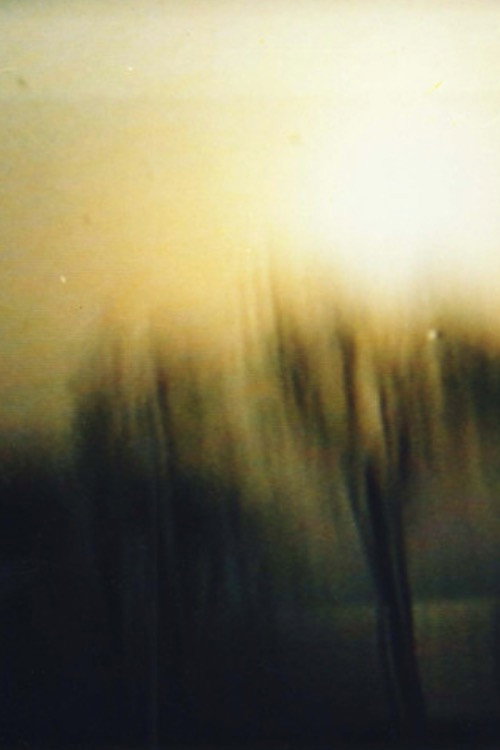
*Related Rhythm* is a two-channel video installation where cameras mounted on a seesaw capture the cyclical motion of a playground between 4 PM and 5 PM. One camera faces the sun, while the other turns away, creating a rhythmic interplay of light, shadow, and sound that challenges viewers to reconsider how perspective shapes reality.
Who directed *Related Rhythm*?
Director information is not available.
Who stars in *Related Rhythm*?
Cast details for *Related Rhythm (1996)* are not listed.
Is *Related Rhythm (1996)* worth watching?
While *Related Rhythm* doesn't follow a traditional narrative, its experimental approach offers a unique sensory experience for fans of avant-garde cinema. Its atmospheric focus on light, movement, and duality makes it a compelling watch for those interested in visual art installations or non-linear storytelling.
How long is *Related Rhythm*?
The runtime of *Related Rhythm (1996)* is 27 minutes.
Related Rhythm (1996): A Playground Experiment in Light, Shadow, and Motion
Zhang Peili's *Related Rhythm (1996)* transforms a simple playground seesaw into a mesmerizing two-channel video installation that captures the essence of cyclical motion and perceptual duality. By mounting cameras on opposing ends of the seesaw, the work records the blurred, shifting landscapes of a sun-drenched afternoon—one lens facing the sun's golden glare, the other turned away into shadow—while ambient sounds from each perspective merge into a continuous, rhythmic loop. The 27-minute piece unfolds between 4 PM and 5 PM, harnessing the natural energy of a breezy day to create a hypnotic meditation on perspective, time, and the interplay between light and shadow.
This experimental short film defies traditional narrative structures, instead immersing viewers in a sensory experience where movement and stillness coexist. The title itself hints at the interconnectedness of seemingly opposing viewpoints, inviting audiences to question how context shapes perception. Shot in a single, unbroken cycle, *Related Rhythm* is less a film in the conventional sense and more an atmospheric exploration of how environment and viewpoint alter reality—making it a standout in avant-garde cinema.