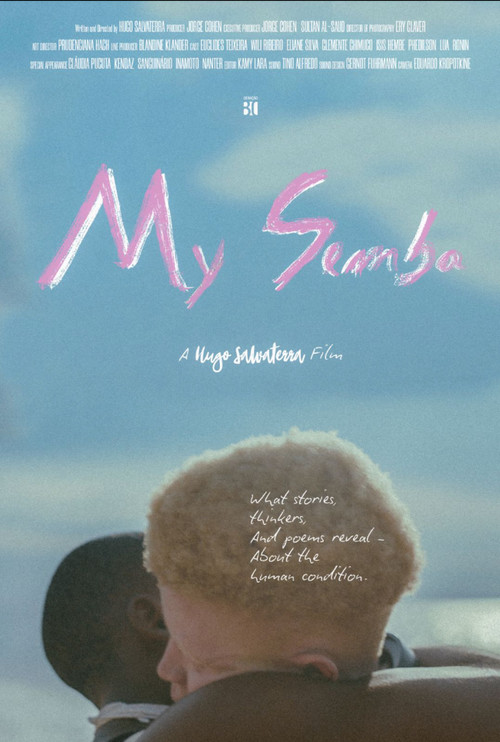
My Semba 2026
My Semba (2026) plunges viewers into the raw, pulsating heart of Luanda, where the rhythms of city life clash with the quiet struggles of survival.
Director: Hugo Salvaterra
Cast
Frequently Asked Questions
What is My Semba (2026) about?
My Semba (2026) explores the life of X, a young man in Luanda who finds solace in art and brotherhood alongside his siblings. As they navigate faith and city life's contradictions, they turn to underground poetry and music as forms of resilience and self-expression.
Who directed My Semba?
My Semba is directed by Hugo Salvaterra, a filmmaker known for capturing the raw energy of urban African stories.
Who stars in My Semba?
The film stars Euclides Teixeira, Willi Ribeiro, Eliane Silva, and Clemente Chimuco in pivotal roles.
Is My Semba (2026) worth watching?
While the IMDb rating is unrated, My Semba promises a gripping blend of music, drama, and documentary-style storytelling. Its themes of resilience and artistic rebellion make it a compelling watch for fans of raw, culturally rich cinema.
How long is My Semba?
My Semba has a runtime of 90 minutes.
About My Semba (2026) — A raw journey through Luanda's underground art scene
My Semba (2026) plunges viewers into the raw, pulsating heart of Luanda, where the rhythms of city life clash with the quiet struggles of survival. Directed by Hugo Salvaterra, this music documentary-drama follows X, a young man caught between the weight of tradition and the pull of artistic rebellion. Alongside his siblings Lele and Maria, he seeks solace in underground poetry slams and hidden music clubs, where words and melodies become shields against a world that often feels overwhelming. The film captures the contradictions of a megacity—its energy, its contradictions, and the unbreakable bonds that hold its people together.
With a palpable atmosphere of resilience, My Semba weaves personal stories into a tapestry of faith, brotherhood, and cultural expression. Salvaterra's lens turns everyday struggles into cinematic poetry, revealing how art becomes both escape and weapon in the face of adversity.