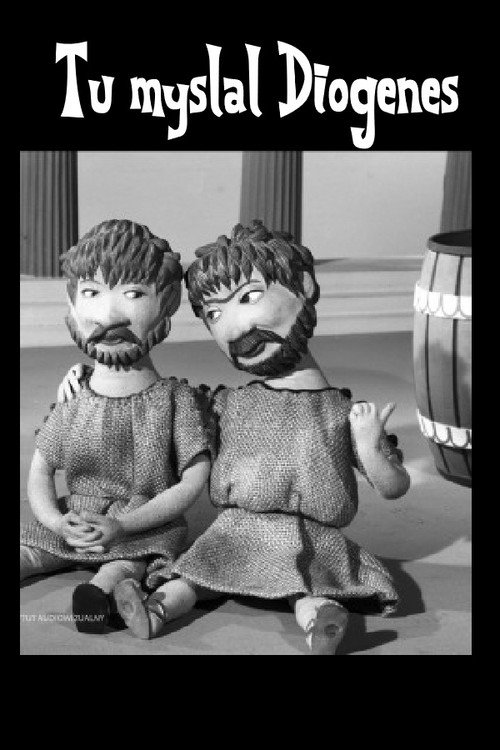
Tu myslal Diogenes 1962
Czech animator Lidia Hornicka delivers a thought-provoking animated gem in *Tu myslal Diogenes (1962)*, a 10-minute short that blends philosophy with playful visuals.
Director: Lidia Hornicka
Frequently Asked Questions
What is Tu myslal Diogenes (1962) about?
This animated short reimagines the life and ideas of Diogenes of Sinope, the Greek philosopher known for his unconventional lifestyle. Through abstract visuals and symbolic storytelling, the film explores themes of wisdom, simplicity, and the absurdity of societal conventions.
Who directed Tu myslal Diogenes?
Lidia Hornicka directed *Tu myslal Diogenes (1962)*, showcasing her distinctive animation style and philosophical depth.
Who stars in Tu myslal Diogenes?
Director Lidia Hornicka is the primary creative force behind the film, with no other cast members listed.
Is Tu myslal Diogenes (1962) worth watching?
As a 10-minute animated short with no IMDb rating, this film is a niche pick best suited for fans of experimental animation or philosophical cinema. Its abstract style and thematic depth make it intriguing, though not a mainstream choice.
How long is Tu myslal Diogenes?
The runtime is 10 minutes, fitting the film neatly into a concise and focused viewing experience.
About Tu myslal Diogenes (1962) — Czech Animated Short Exploring Diogenes' Philosophy
Czech animator Lidia Hornicka delivers a thought-provoking animated gem in *Tu myslal Diogenes (1962)*, a 10-minute short that blends philosophy with playful visuals. Through abstract imagery and symbolic storytelling, the film revisits the timeless musings of Diogenes of Sinope, the ancient Greek philosopher famed for his ascetic lifestyle and radical rejection of societal norms. Hornicka's delicate linework and imaginative sequences weave themes of wisdom, simplicity, and the absurdity of human conventions, creating a mesmerizing short that lingers long after the credits roll.
This avant-garde animation captures the spirit of Diogenes' famous lantern-searching antics, transforming philosophical inquiry into a feast for the eyes. With no dialogue and minimal runtime, the film relies entirely on Hornicka's artistic vision to convey its message, making it a standout example of mid-century Eastern European animation. Whether you're a fan of experimental cinema or simply curious about this curious little film, *Tu myslal Diogenes (1962)* offers a concise yet profound cinematic experience.