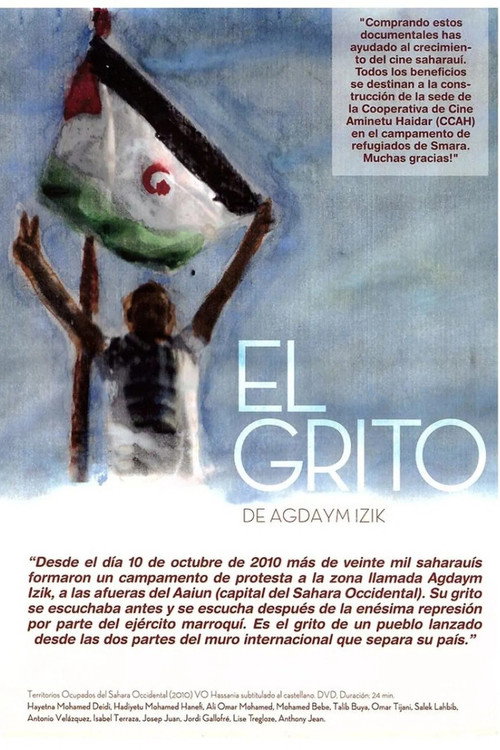
Gdeim Izik's cry 2010
Directed by Hayetna Mohemed Deidi, *Gdeim Izik's cry* (2010) is a gripping 24-minute documentary that sheds light on a pivotal moment in Sahrawi history.
Director: Hayetna Mohemed Deidi
Frequently Asked Questions
What is *Gdeim Izik's cry* (2010) about?
This documentary examines the 2010 peaceful protest camp near Gdeim Izik in Western Sahara, where Sahrawi people demanded self-determination under Moroccan occupation. The film documents how Moroccan forces forcibly disbanded the camp, leaving behind a trail of unanswered questions and enduring resistance.
Who directed *Gdeim Izik's cry*?
Hayetna Mohemed Deidi directed this powerful documentary, bringing a personal and intimate perspective to the Sahrawi struggle.
Who stars in *Gdeim Izik's cry*?
Director Hayetna Mohemed Deidi leads this documentary, while the film centers on the voices and experiences of Sahrawi protesters and witnesses.
Is *Gdeim Izik's cry* (2010) worth watching?
While unrated on IMDb, this documentary offers a concise yet impactful look at a pivotal moment in Sahrawi history. Its themes of resilience and justice make it a compelling watch for those interested in documentary films or human rights stories. Its short runtime also makes it accessible for viewers seeking a powerful, quick introduction to the subject.
How long is *Gdeim Izik's cry*?
The documentary runs for 24 minutes.
Gdeim Izik's cry (2010): The Sahrawi Struggle Captured in a 24-Minute Documentary
Directed by Hayetna Mohemed Deidi, *Gdeim Izik's cry* (2010) is a gripping 24-minute documentary that sheds light on a pivotal moment in Sahrawi history. The film captures the peaceful protest camp established by the Sahrawi people near Gdeim Izik, Western Sahara, in 2010, where they demonstrated against harsh living conditions imposed by Moroccan occupation and demanded self-determination. Through intimate footage and raw storytelling, the documentary reveals the brutal dismantling of the camp by Moroccan forces, leaving a haunting echo of resistance that resonates through the decades. The film's somber tone and unflinching portrayal of the events create a powerful narrative that lingers long after the credits roll.
As a historical document, *Gdeim Izik's cry* serves as both a tribute to the resilience of the Sahrawi people and a stark reminder of the cost of their struggle. The director's choice to focus on the peaceful nature of the protest—contrasted with the violent response—highlights themes of injustice, sovereignty, and the human spirit's refusal to be silenced. Whether you're a student of history, a documentary enthusiast, or someone seeking stories of courage in the face of oppression, this film offers a compelling and thought-provoking experience.