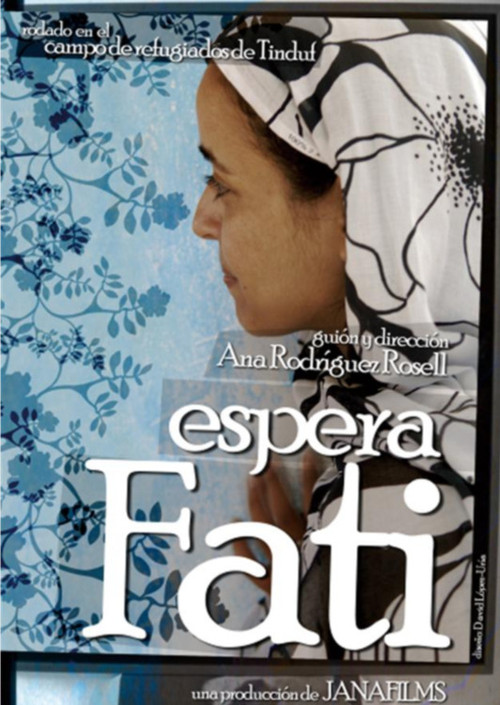
Wait, Fati! 2008
"Filmed in the refugee camps of Tindouf"
Dive into the intimate drama *Wait, Fati! (2008)*, a heartfelt exploration of family bonds and life-altering choices set against the stark backdrop of the Tindouf refugee camps.
Director: Ana Rodríguez Rosell
Frequently Asked Questions
What is *Wait, Fati! (2008)* about?
The film follows a Saharan family in the Tindouf refugee camps as they prepare for a wedding that becomes a catalyst for life-changing decisions. Through the festivities, the story unfolds the personal struggles and hopes of its members, revealing the strength and fragility of their bonds.
Who directed *Wait, Fati!*?
Director information is not available.
Who stars in *Wait, Fati! (2008)*?
The cast details for *Wait, Fati!* have not been listed, but the film focuses on the real-life residents of the Tindouf camps.
Is *Wait, Fati! (2008)* worth watching?
With its intimate portrayal of resilience and raw emotional depth, *Wait, Fati!* offers a unique cinematic experience. While it may not boast mainstream appeal, its authenticity and thematic richness make it a compelling watch for fans of character-driven dramas.
How long is *Wait, Fati!*?
The runtime of *Wait, Fati!* is 60 minutes.
About Wait, Fati! (2008) — A Saharan Wedding's Emotional Turning Point
Dive into the intimate drama *Wait, Fati! (2008)*, a heartfelt exploration of family bonds and life-altering choices set against the stark backdrop of the Tindouf refugee camps. Directed by Ana Rodríguez Rosell, this 60-minute film chronicles a Saharan wedding that becomes a turning point for a family caught between tradition and survival. As the celebrations unfold, each character grapples with decisions that could redefine their future, revealing the resilience and vulnerabilities of a community united by displacement. With its raw, observational style, the movie captures the emotional weight of a moment that feels both ordinary and extraordinary—where joy and hardship intertwine under the desert sky.
Rodríguez Rosell crafts a quietly powerful portrait of humanity, using the wedding as a lens to examine broader themes of identity, freedom, and the bonds that endure even in the most precarious circumstances. Shot entirely within the refugee camps, *Wait, Fati!* immerses viewers in a world rarely seen on screen, blending documentary-like authenticity with deeply personal storytelling. The film's mood is a delicate balance of warmth and melancholy, reflecting the bittersweet nature of hope in the face of uncertainty.