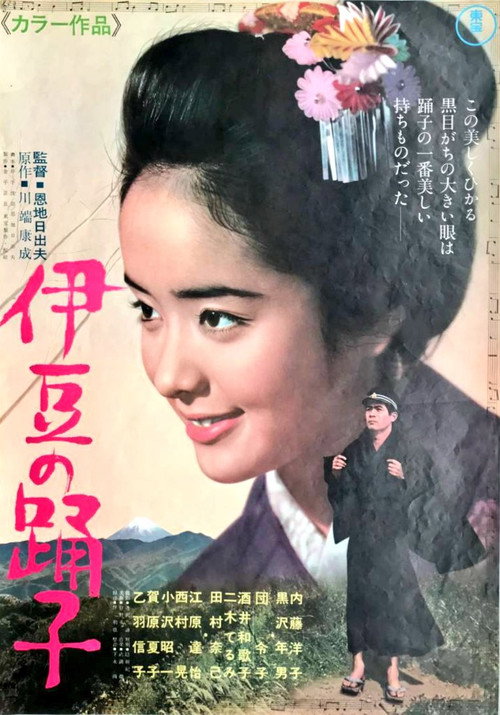
The Izu Dancer 1967
Directed by Hideo Onchi, "The Izu Dancer (1967)" is a poignant Japanese drama that weaves romance and youthful discovery against the stunning backdrop of Izu Peninsula's lush mountains and coastal towns.
Director: Hideo Onchi
Cast




Frequently Asked Questions
What is The Izu Dancer (1967) about?
The film follows Kawasaki, a high school student who stumbles upon a traveling troupe of performers. Captivated by Kaoru, their graceful dancer, he joins them on a journey to Shimoda, only to uncover a mutual affection that blossoms amidst the beauty of rural Japan.
Who directed The Izu Dancer?
Hideo Onchi directed "The Izu Dancer." Known for his atmospheric storytelling, Onchi crafts a visual and emotional journey that lingers long after the credits roll.
Who stars in The Izu Dancer?
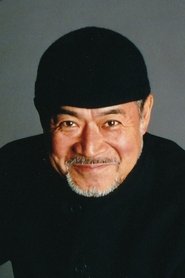
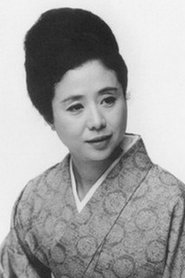
The film stars Toshio Kurosawa as Kawasaki, Yōko Naitō as Kaoru, and features Tatsuyoshi Ehara, Nami Tamura, and Nobuko Otowa in pivotal roles.
Is The Izu Dancer (1967) worth watching?
Though unrated, its genre blend of drama and romance, paired with Onchi's sensitive direction, offers a tender slice-of-life experience. Fans of classic Japanese cinema will appreciate its poetic charm and authentic portrayal of youthful emotion.
How long is The Izu Dancer?
The runtime for "The Izu Dancer" is 85 minutes.
About The Izu Dancer (1967) — A Poetic Tale of First Love and Wandering Performers
Directed by Hideo Onchi, "The Izu Dancer (1967)" is a poignant Japanese drama that weaves romance and youthful discovery against the stunning backdrop of Izu Peninsula's lush mountains and coastal towns. The film follows Kawasaki, an Ichiko high school student, who stumbles upon a troupe of itinerant performers while hiking near Amagi. His heart is immediately ensnared by Kaoru, the troupe's enigmatic black-haired dancer, whose drum and delicate grace leave an indelible impression. As he joins their journey to Shimoda, Kawasaki discovers Kaoru's quiet reciprocation, igniting a tender bond that captures both the pain and beauty of fleeting first love.
Onchi's delicate direction and the film's evocative visuals paint a mood of nostalgia and longing, where the innocence of adolescence collides with the bittersweet realities of life's transient moments. Shot in 1967, this overlooked gem bridges classic Japanese cinema with a timeless exploration of wanderlust, connection, and the quiet revolutions that unfold in a single, sun-dappled summer.