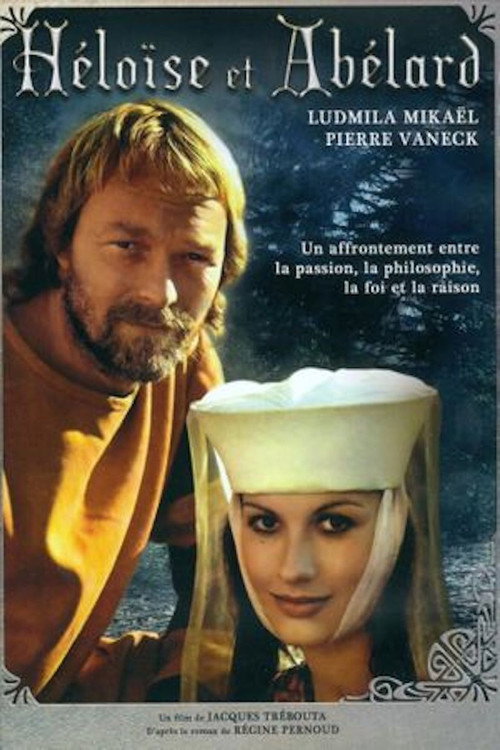
Héloïse and Abélard 1973
"A clash between passion, philosophy, faith and reason!"
Jacques Trébouta's *Héloïse and Abélard* (1973) brings to life the legendary 12th-century romance that defied convention and endured against all odds.
Director: Jacques Trébouta
Cast

Frequently Asked Questions
What is Héloïse and Abélard (1973) about?
This historical drama recounts the passionate but doomed affair between 12th-century philosopher Peter Abelard and his student Heloise. Their forbidden romance ignites a chain of events involving scandal, betrayal, and separation, yet their bond endures as a symbol of love's power to overcome even the greatest obstacles.
Who directed Héloïse and Abélard?
Jacques Trébouta directed this intimate and atmospheric historical drama, bringing depth and emotional resonance to the tragic love story of Abelard and Heloise.
Who stars in Héloïse and Abélard?
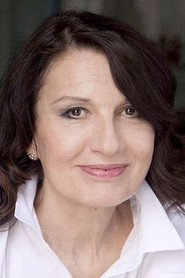
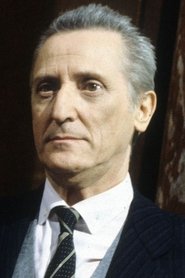
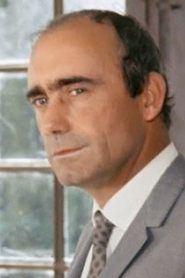
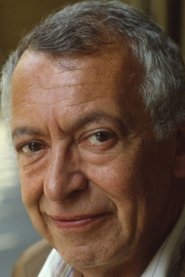
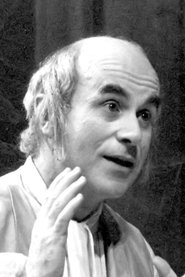
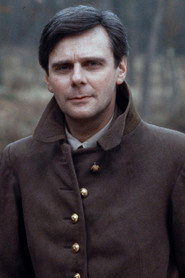
The film stars Ludmila Mikaël as Heloise, Pierre Vaneck as Peter Abelard, along with Alain Mottet, Paul Crauchet, and François Maistre in pivotal roles.
Is Héloïse and Abélard (1973) worth watching?
While *Héloïse and Abélard* (1973) may not be widely known today, its exploration of forbidden love, intellectual passion, and medieval intrigue offers a compelling, if brief, cinematic experience. Fans of historical dramas with emotional depth will appreciate its storytelling, even if it lacks mainstream recognition.
How long is Héloïse and Abélard?
The runtime of *Héloïse and Abélard* (1973) is 70 minutes.
About Héloïse and Abélard (1973) — The Legendary Love Story That Defied Time
Jacques Trébouta's *Héloïse and Abélard* (1973) brings to life the legendary 12th-century romance that defied convention and endured against all odds. This intimate period drama immerses viewers in the turbulent relationship between philosopher Peter Abelard and his brilliant student Heloise, whose forbidden love sparked scandal and tragedy. Set against the intellectual and religious turmoil of medieval France, the film explores the intoxicating power of passion versus the rigid constraints of faith and societal expectations. With a runtime just over an hour, Trébouta crafts a visually rich, emotionally charged narrative where intellect and desire collide, leaving an indelible mark on both lovers' lives.
Ludmila Mikaël and Pierre Vaneck deliver captivating performances as Heloise and Abelard, capturing the raw intensity and vulnerability of their doomed romance. The film's themes of forbidden love, intellectual rebellion, and tragic sacrifice resonate deeply, underscoring how their extraordinary bond became a testament to the resilience of the human spirit. *Héloïse and Abélard* (1973) is a poignant exploration of love's ability to transcend time, convention, and even separation.