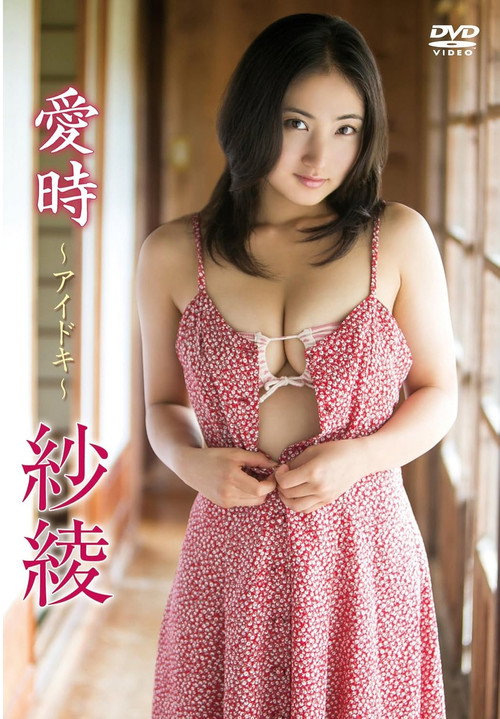
紗綾/愛時~アイドキ~ 2014
紗綾/愛時~アイドキ~ (2014) is a concise yet evocative Japanese film directed by Tenjō Kanō, featuring rising star Saaya in a role that blends intimate drama with subtle emotional depth.
Director: Tenjō Kanō
Cast

Frequently Asked Questions
What is 紗綾/愛時~アイドキ~ (2014) about?
紗綾/愛時~アイドキ~ (2014) is a short but impactful Japanese drama that delves into the nuances of human connection and emotional fragility. The film follows a tender yet transient relationship, using sparse dialogue and visual storytelling to evoke a sense of longing and reflection.
Who directed 紗綾/愛時~アイドキ~?
紗綾/愛時~アイドキ~ was directed by Tenjō Kanō, a filmmaker known for his atmospheric and introspective approach to storytelling.
Who stars in 紗綾/愛時~アイドキ~?
The film stars Saaya in the lead role, supported by a small ensemble cast that enhances its intimate atmosphere.
Is 紗綾/愛時~アイドキ~ (2014) worth watching?
While its 79-minute runtime limits depth, 紗綾/愛時~アイドキ~ offers a poignant and visually striking exploration of love and time. Fans of minimalist cinema or Japanese dramas will likely appreciate its quiet power. However, those seeking high-energy narratives may find it too subdued.
How long is 紗綾/愛時~アイドキ~?
紗綾/愛時~アイドキ~ runs for 79 minutes.
紗綾/愛時~アイドキ~ (2014): A Minimalist Love Story — Full Movie Info
紗綾/愛時~アイドキ~ (2014) is a concise yet evocative Japanese film directed by Tenjō Kanō, featuring rising star Saaya in a role that blends intimate drama with subtle emotional depth. Clocking in at just 79 minutes, this cinematic gem delivers a focused narrative that lingers long after the credits roll, exploring themes of love, identity, and fleeting connections through its atmospheric lens. The film's minimalist approach creates a dreamlike quality, drawing viewers into a world where every glance and gesture carries weight, making it a standout in contemporary Japanese cinema.
Set against a backdrop of quiet introspection, 紗綾/愛時~アイドキ~ captures the essence of modern relationships with a raw authenticity. Kanō's direction emphasizes subtlety, allowing the audience to peel back layers of emotion without overt exposition. The interplay between Saaya's performance and the film's stripped-down aesthetic invites reflection on the passage of time and the fragile beauty of human bonds. Whether you're drawn to its visual poetry or thematic resonance, this 2014 release offers a compelling, if brief, cinematic experience.