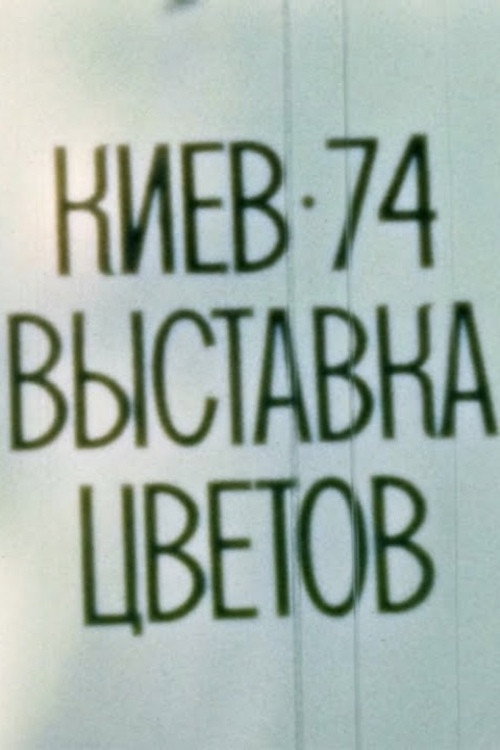
Kyiv, 1974. Flower Exhibition 1974
Step back to the Soviet-era spring of 1974 and wander through Kyiv's Flower Exhibition in this compact nine-minute documentary by Vladyslav Lopotko.
Director: Vladyslav Lopotko
Frequently Asked Questions
What is Kyiv, 1974. Flower Exhibition (1974) about?
This short documentary transports viewers to Kyiv's 1974 Flower Exhibition, showcasing vibrant blooms and the hushed atmosphere of the era. Without dialogue, the film uses visual poetry to reflect on nature, memory, and subtle defiance in a tightly controlled society.
Who directed Kyiv, 1974. Flower Exhibition?
Vladyslav Lopotko directed Kyiv, 1974. Flower Exhibition, bringing his signature observational style to this brief but evocative snapshot of Soviet-era Ukraine.
Who stars in Kyiv, 1974. Flower Exhibition?
Director Vladyslav Lopotko is the creative force behind the camera; no credited actors are listed for this documentary short.
Is Kyiv, 1974. Flower Exhibition (1974) worth watching?
As a nine-minute documentary, it's a visually rich time capsule of 1970s Kyiv—ideal for fans of atmospheric, low-key films. Its quiet intensity rewards patience, though its brevity might limit broader appeal outside niche audiences.
How long is Kyiv, 1974. Flower Exhibition?
Kyiv, 1974. Flower Exhibition runs for 9 minutes.
About Kyiv, 1974. Flower Exhibition (1974) — A nine-minute Soviet spring captured through petals and pixels
Step back to the Soviet-era spring of 1974 and wander through Kyiv's Flower Exhibition in this compact nine-minute documentary by Vladyslav Lopotko. Shot in quiet, contemplative tones, the film captures rows of tulips and lilies under low-angle skies, turning petals into symbols of fleeting beauty amid the era's rigid structures. Lopotko's lens lingers on textures—dewy petals, rusted metal barriers, the hushed shuffle of visitors—painting a subtle portrait of resilience and quiet defiance through nature's cycles.
Kyiv, 1974. Flower Exhibition isn't just a floral record; it's a meditation on time, memory, and the small rebellions encoded in everyday sights. The exhibition grounds become a microcosm of Soviet life, where flowers bloom under surveillance but still whisper stories beyond official narratives. With no dialogue and minimal narration, the film trusts visuals and mood to pull viewers into a moment frozen between thawing winters and unspoken tensions.