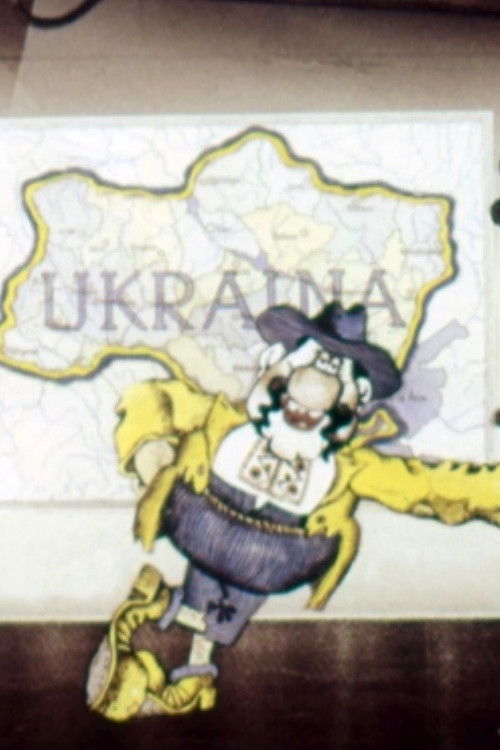
Cain's Tears 1980
Cain's Tears (1980) is a distinctive animated short film that blends dark comedy with sharp political satire.
Director: Tadeush Pavlenko
Frequently Asked Questions
What is Cain's Tears (1980) about?
Cain's Tears is a satirical animated short that examines traitors in Soviet Ukraine who disguised their betrayal as support for Ukrainian independence. The film spans from 1918 to modern times, using dark humor to expose political hypocrisy and hidden agendas.
Who directed Cain's Tears?
Tadeush Pavlenko directed Cain's Tears (1980), bringing his distinctive vision to this politically-charged animated work.
Who stars in Cain's Tears?
Cast information for Cain's Tears (1980) is currently unavailable, as the film's rediscovery has limited accessible details about voice actors or performers.
Is Cain's Tears (1980) worth watching?
Given its unique historical significance as a rediscovered Soviet-era animated satire, Cain's Tears offers valuable insight into political commentary through animation. The film's blend of comedy and historical critique makes it worthwhile for fans of experimental cinema and political satire.
How long is Cain's Tears?
Cain's Tears runs for 14 minutes, making it a concise yet impactful animated short film.
About Cain's Tears (1980) — Satirical Animation Uncovering Ukrainian History
Cain's Tears (1980) is a distinctive animated short film that blends dark comedy with sharp political satire. Directed by Tadeush Pavlenko, this 14-minute feature takes viewers on a provocative journey through Ukrainian history, exposing the contradictions and hidden agendas of those who disguised betrayal as patriotism. The film's unique animation style brings to life a series of historical vignettes spanning from 1918 to contemporary times, creating an atmospheric exploration of national identity and political manipulation.
This lost Soviet-era film resurfaced in 2025 when it was discovered in the Latvian film archives, making Cain's Tears (1980) a fascinating piece of cinematic archaeology. The animation genre allows for creative expression of the film's controversial themes, while the historical backdrop provides rich context for understanding the complex relationship between Ukraine and Soviet authority. Despite its brief runtime, the movie delivers a powerful punch of satirical commentary that remains relevant today. The comedy elements help temper the heavier political themes, making this short film accessible to audiences interested in animation, history, and political satire alike.
Cain's Tears stands as both an artistic achievement and a historical document, offering viewers a rare glimpse into Soviet-era animation that dared to critique political figures through allegory and satire.