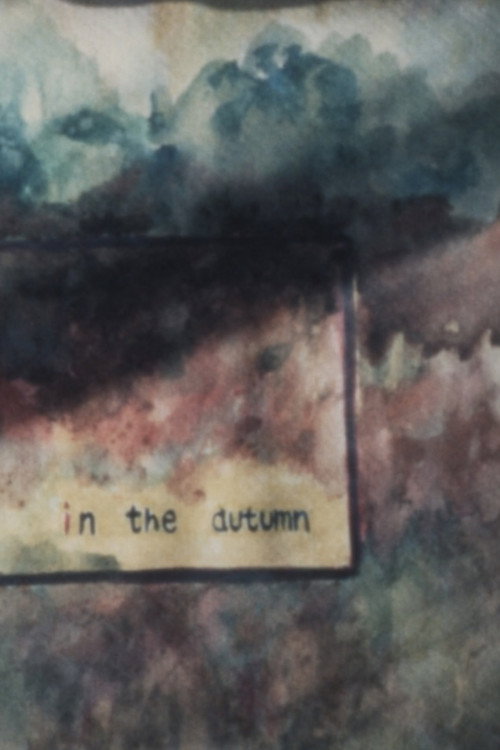
Tokyo Sanpo Vol.1 1987
Hiroyuki Sekine's *Tokyo Sanpo Vol.1* (1987) is a daring, avant-garde short film that strips cinema down to its most essential elements.
Director: Hiroyuki Sekine
Frequently Asked Questions
What is Tokyo Sanpo Vol.1 (1987) about?
Hiroyuki Sekine's *Tokyo Sanpo Vol.1* is a stripped-down, atmospheric short film that follows a lone figure wandering through Tokyo's urban spaces. Without traditional dialogue or plot, it focuses on the sensory experience of the city—its sounds, shadows, and fleeting encounters. The film captures the essence of solitude in a metropolis where motion and stillness collide.
Who directed Tokyo Sanpo Vol.1?
Tokyo Sanpo Vol.1 was directed by Hiroyuki Sekine, a filmmaker known for his avant-garde approach to cinema. Sekine's work often challenges conventional storytelling, favoring visual and auditory experimentation over traditional narratives.
Who stars in Tokyo Sanpo Vol.1?
Cast details for Tokyo Sanpo Vol.1 are not publicly listed, reflecting its experimental nature as a director-led project.
Is Tokyo Sanpo Vol.1 (1987) worth watching?
As an unrated experimental short, *Tokyo Sanpo Vol.1* may not appeal to mainstream audiences, but it's a fascinating entry for those interested in the roots of avant-garde cinema. Its 28-minute runtime makes it a quick yet thought-provoking watch for fans of Sekine's work or unconventional storytelling.
How long is Tokyo Sanpo Vol.1?
Tokyo Sanpo Vol.1 has a runtime of 28 minutes.
About Tokyo Sanpo Vol.1 (1987) — Hiroyuki Sekine's Experimental Short Film Explored
Hiroyuki Sekine's *Tokyo Sanpo Vol.1* (1987) is a daring, avant-garde short film that strips cinema down to its most essential elements. Clocking in at just 28 minutes, this experimental work invites viewers into a meditative journey through Tokyo's urban landscapes, where the rhythm of footsteps and the pulse of the city take center stage. Sekine crafts an atmosphere of quiet introspection, using minimal dialogue and stark visuals to explore themes of solitude, movement, and the passage of time. The film's abstract approach blurs the line between documentary and fiction, leaving audiences to interpret its sparse yet evocative imagery for themselves.
While *Tokyo Sanpo Vol.1* lacks traditional narrative structure, its power lies in its ability to evoke emotion through subtle, unfiltered moments. The director's focus on the mundane—subway platforms, rain-soaked streets, and solitary wanderers—transforms everyday scenes into something poetic and profound. For fans of experimental cinema, this short film offers a rare glimpse into the early creative vision of a filmmaker who would later push boundaries in Japanese cinema.