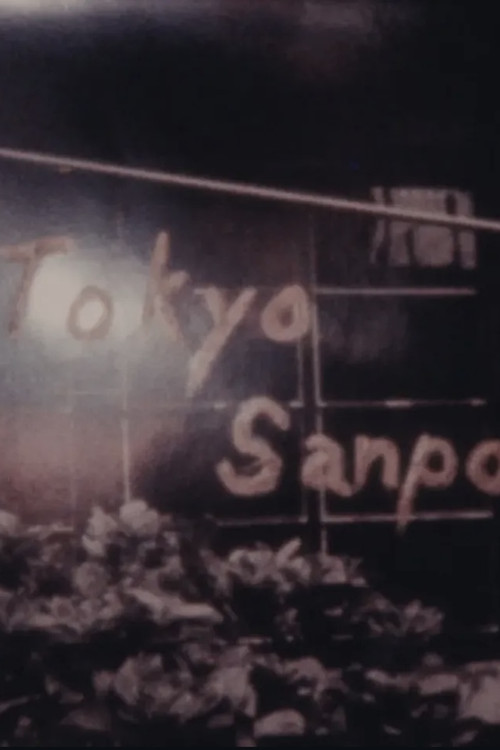
Tokyo Sanpo Vol.2 1987
Dive into the hypnotic world of *Tokyo Sanpo Vol.2 (1987)*, an avant-garde short film crafted by visionary director Hiroyuki Sekine.
Director: Hiroyuki Sekine
Frequently Asked Questions
What is Tokyo Sanpo Vol.2 (1987) about?
Hiroyuki Sekine's *Tokyo Sanpo Vol.2* is a meditative stroll through Tokyo's urban fabric, stripping away traditional storytelling to focus on the city's raw, unfiltered essence. The film captures fleeting moments of solitude and connection, transforming ordinary scenes into poetic reflections on modern life.
Who directed Tokyo Sanpo Vol.2?
Director information is not available.
Who stars in Tokyo Sanpo Vol.2?
Cast details are not listed for this experimental short film.
Is Tokyo Sanpo Vol.2 (1987) worth watching?
*Tokyo Sanpo Vol.2* is a niche gem for fans of avant-garde cinema, offering a unique perspective on Tokyo's urban landscape. While not a mainstream pick, its atmospheric approach and 28-minute runtime make it an intriguing watch for those seeking something different.
How long is Tokyo Sanpo Vol.2?
*Tokyo Sanpo Vol.2* runs for 28 minutes.
About Tokyo Sanpo Vol.2 (1987) — Hiroyuki Sekine's Experimental Cityscape Masterpiece
Dive into the hypnotic world of *Tokyo Sanpo Vol.2 (1987)*, an avant-garde short film crafted by visionary director Hiroyuki Sekine. This 28-minute experimental piece invites viewers into a meditative stroll through Tokyo's urban rhythm, blending minimalist visuals with evocative soundscapes. The film strips away narrative conventions to focus on the raw energy of city life, capturing fleeting moments of anonymity and connection. With its stark yet poetic approach, *Tokyo Sanpo Vol.2* transcends traditional cinema, offering a meditative experience for those drawn to artistic cinema. The director's keen eye for detail and atmospheric composition makes this a standout work in experimental filmmaking.
Fans of underground Japanese cinema and urban exploration will find *Tokyo Sanpo Vol.2* a compelling watch, its brevity enhancing its focused exploration of themes like solitude, modernity, and the beauty of the everyday. The film's haunting simplicity lingers long after the credits roll, leaving viewers to reflect on the unseen layers of a city often rushed past. While not a conventional narrative, Sekine's work rewards patience with a uniquely immersive glimpse into Tokyo's soul.