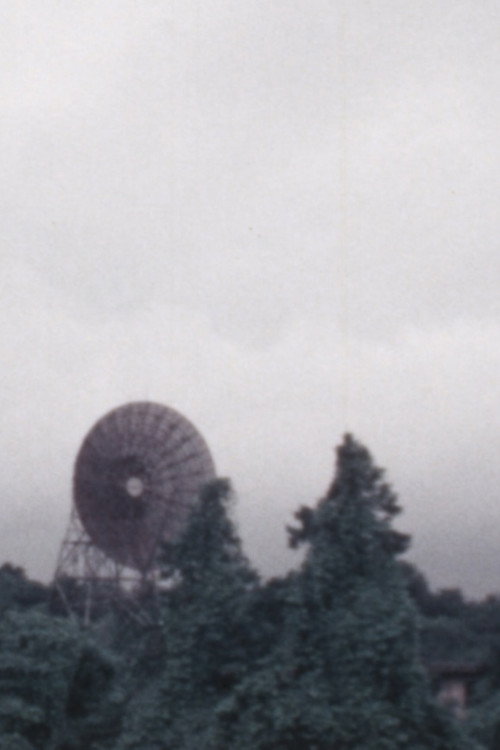
U・O 1992
A bold experimental short flick from 1992, U・O (1992) is the brainchild of avant-garde filmmaker Hiroyuki Sekine. Clocking in at just 22 minutes, this enigmatic piece immerses audiences in a visual and aural experience that challenges conventional storytelling.
Director: Hiroyuki Sekine
Frequently Asked Questions
What is U・O (1992) about?
U・O is an abstract, experimental short film that immerses viewers in a world of surreal visuals and sounds. Its cryptic narrative resists straightforward interpretation, instead offering a sensory experience that challenges perceptions of reality and storytelling.
Who directed U・O?
Hiroyuki Sekine directed U・O (1992). Known for his innovative and unconventional approach to filmmaking, Sekine crafts a visually arresting and thought-provoking piece with this short film.
Who stars in U・O?
The main cast of U・O (1992) is not listed in available sources, leaving its performers a mystery.
Is U・O (1992) worth watching?
While opinions on experimental films vary, U・O (1992) offers a unique experience for fans of avant-garde cinema. Its brevity and abstract nature make it a quick but impactful watch for those seeking something outside the mainstream. However, it may not appeal to audiences expecting traditional storytelling.
How long is U・O?
U・O (1992) has a runtime of 22 minutes.
U・O (1992): Exploring Hiroyuki Sekine's Experimental Short Film
A bold experimental short flick from 1992, U・O (1992) is the brainchild of avant-garde filmmaker Hiroyuki Sekine. Clocking in at just 22 minutes, this enigmatic piece immerses audiences in a visual and aural experience that challenges conventional storytelling. The film's cryptic title and abstract narrative invite viewers to decode its layered meanings, where symbolism and mood eclipse traditional plot structure. Blending surreal imagery with a hypnotic soundscape, U・O transports you into a realm where reality blurs with dreamlike sequences, leaving a lingering impression long after the credits roll.
Sekine's experimental approach turns U・O into a study of perception itself—part meditation, part puzzle. The film's brevity heightens its intensity, demanding attention to every fleeting frame. While details about its cast and genre remain elusive, U・O (1992) stands as a testament to the power of short-form cinema to evoke emotion and provoke thought without ever spelling out its intentions.