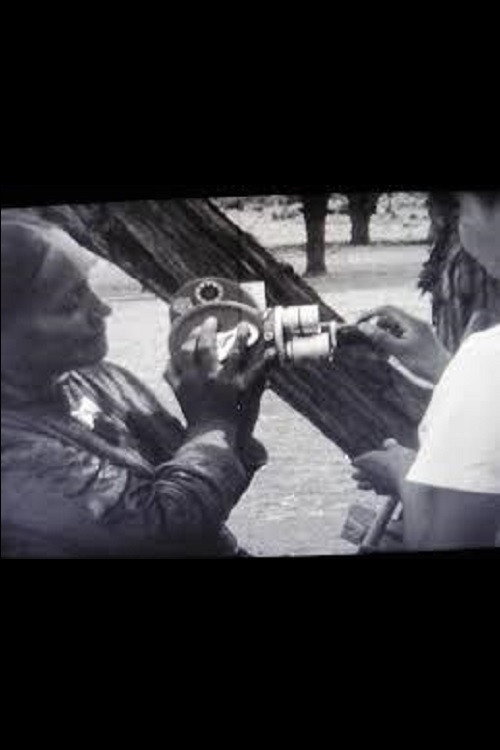
Second Weaver 1966
Dive into the enigmatic world of *Second Weaver (1966)*, a short film directed by Susie Benally that unfolds within a mere nine minutes.
Director: Susie Benally
Frequently Asked Questions
What is Second Weaver (1966) about?
This nine-minute short film, directed by Susie Benally, unfolds as a contemplative exploration of craftsmanship and time. Its narrative follows a solitary figure—perhaps a weaver—engaged in a silent, meditative act, suggesting themes of patience, precision, and the unseen labor behind creation.
Who directed Second Weaver?
Second Weaver was directed by Susie Benally, a filmmaker whose work remains largely undocumented but whose vision here leaves a distinct mark on the short-film landscape.
Who stars in Second Weaver?
The cast is not officially listed, but the film centers on a single, unnamed protagonist whose actions drive the narrative forward.
Is Second Weaver (1966) worth watching?
While Second Weaver lacks mainstream recognition, its artful execution and thematic depth make it a rewarding experience for fans of experimental and short-form cinema. Its brevity is its strength, offering a concentrated dose of visual storytelling that feels both timeless and ahead of its era.
How long is Second Weaver?
Second Weaver runs for just 9 minutes, a compact runtime that belies its rich and immersive storytelling.
About Second Weaver (1966) — Exploring Susie Benally's Short Film Masterpiece
Dive into the enigmatic world of *Second Weaver (1966)*, a short film directed by Susie Benally that unfolds within a mere nine minutes. Though slender in runtime, the film immerses viewers in a visually striking and thematically rich narrative that lingers long after the credits roll. Benally's directorial vision crafts an atmosphere that blends introspection with subtle experimentation, evoking a sense of quiet intensity. The film's sparse yet deliberate pacing invites audiences to ponder deeper meanings, possibly exploring themes of time, craftsmanship, or the unseen threads that connect moments in life. Its concise yet evocative style makes it a compelling watch for those who appreciate cinema that balances artistic expression with narrative brevity.
Despite its obscurity, *Second Weaver* stands as a testament to early independent filmmaking, showcasing the potential of short-form storytelling to convey profound ideas. The film's concise structure doesn't detract from its impact—instead, it amplifies the viewer's focus on every detail, from the interplay of light and shadow to the unspoken emotions woven into each frame. Whether you're a cinephile searching for hidden gems or simply curious about the evolution of short films, this 1966 creation offers a brief but unforgettable cinematic experience.