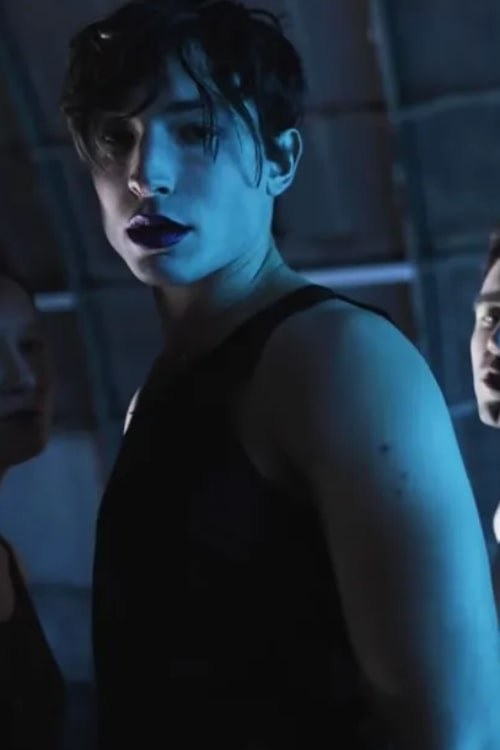
Sons of an Illustrious Father: Don't Cha 2019
Sons of an Illustrious Father: Don't Cha (2019) reimagines the 2005 Pussycat Dolls hit through a bold queer lens. This genre-queer collective transforms the original's heterosexual male perspective on desire into a vibrant celebration of LGBTQ+ identity.
Director: Rafe Scobey-Thal
Cast
Frequently Asked Questions
What is Sons of an Illustrious Father: Don't Cha (2019) about?
This short music film features the genre-queer band Sons of an Illustrious Father transforming the Pussycat Dolls' 2005 hit into a celebration of queerness. The group takes the original song's heterosexual male perspective on women and desire and flips it into an empowering LGBTQ+ anthem through bold visuals and choreography.
Who directed Sons of an Illustrious Father: Don't Cha?
The film was directed by Rafe Scobey-Thal, who brings visual flair to this queer reinterpretation of pop culture.
Who stars in Sons of an Illustrious Father: Don't Cha?
The cast includes Or Schraiber, Leal Zielinska, Mouna Soualem, Kris Lee, Quinn Dixon, and Ezra Miller, all bringing their unique energy to this musical statement.
Is Sons of an Illustrious Father: Don't Cha (2019) worth watching?
At just five minutes long, this music film delivers a powerful punch of queer creativity and social commentary. While unrated on IMDb, its bold artistic vision and important message about LGBTQ+ representation make it worth viewing for fans of experimental music videos and queer art.
How long is Sons of an Illustrious Father: Don't Cha?
The film runs for 5 minutes, making it a concise but impactful viewing experience.
Sons of an Illustrious Father: Don't Cha (2019) — Queer Pop Rebellion
Sons of an Illustrious Father: Don't Cha (2019) reimagines the 2005 Pussycat Dolls hit through a bold queer lens. This genre-queer collective transforms the original's heterosexual male perspective on desire into a vibrant celebration of LGBTQ+ identity. Directed by Rafe Scobey-Thal with choreography by Bobbie Jene Smith, the short film packs powerful commentary into its five-minute runtime.
The visual presentation combines striking choreography with provocative imagery that challenges traditional gender narratives. Or Schraiber, Leal Zielinska, Mouna Soualem, Kris Lee, Quinn Dixon, and Ezra Miller bring dynamic energy to this musical statement. The atmosphere is both playful and defiant, creating space for alternative expressions of desire and identity.
As a music film, this project stands out for its unapologetic approach to queering mainstream pop culture. The band's self-described "genre-queer" identity shines through every frame, making this more than just a cover song—it's a cultural intervention that reclaims and subverts familiar territory.