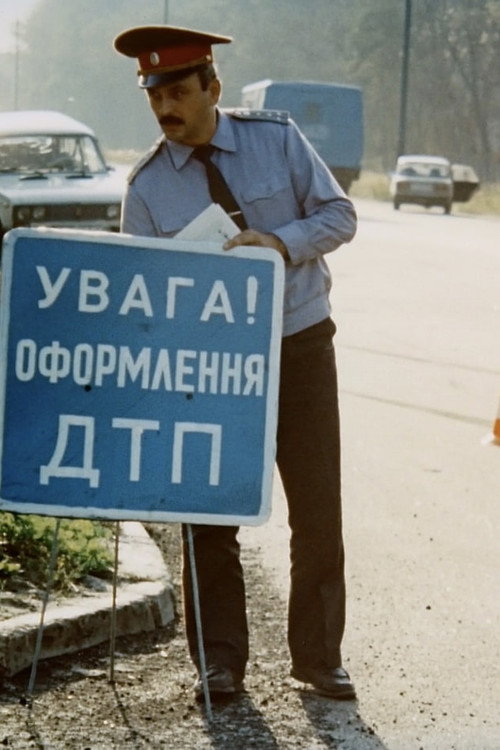
Traffic Accident 1995
Traffic Accident (1995) offers a concise yet impactful glimpse into the often-overlooked realities of road safety through its 16-minute documentary format.
Frequently Asked Questions
What is Traffic Accident (1995) about?
This 16-minute documentary examines the causes and consequences of traffic accidents, blending statistics with real-world scenarios to educate viewers on road safety. It focuses on prevention rather than blame, making it a sobering yet practical watch for drivers and pedestrians alike.
Who directed Traffic Accident?
Director information is not available.
Who stars in Traffic Accident?
As a documentary, Traffic Accident (1995) features no traditional cast but includes real drivers, victims, and experts whose experiences shape its narrative.
Is Traffic Accident (1995) worth watching?
Given its educational purpose and compact runtime, Traffic Accident is best suited for those interested in road safety or teaching its importance. While not a cinematic spectacle, its straightforward approach delivers a clear, memorable message that holds up decades later.
How long is Traffic Accident?
Traffic Accident (1995) has a runtime of 16 minutes.
About Traffic Accident (1995) — A Brief but Powerful Documentary on Road Safety
Traffic Accident (1995) offers a concise yet impactful glimpse into the often-overlooked realities of road safety through its 16-minute documentary format. Rather than sensationalizing tragic scenes, this short film adopts an educational tone, weaving together statistics and real-world consequences to highlight the human side of traffic incidents. The film's atmosphere is methodical and sobering, blending stark visuals with a narrative that emphasizes prevention over punishment, making it a stark reminder of how small decisions on the road can have life-altering outcomes.
Directed by an unnamed filmmaker, Traffic Accident falls under the documentary genre, prioritizing factual clarity and social awareness over dramatic flair. Its brevity belies its potential to leave a lasting impression, positioning it as a resource for drivers, educators, and policymakers alike. Whether used in classrooms or community screenings, this 1995 production remains a pertinent case study in how storytelling can drive change in public behavior.