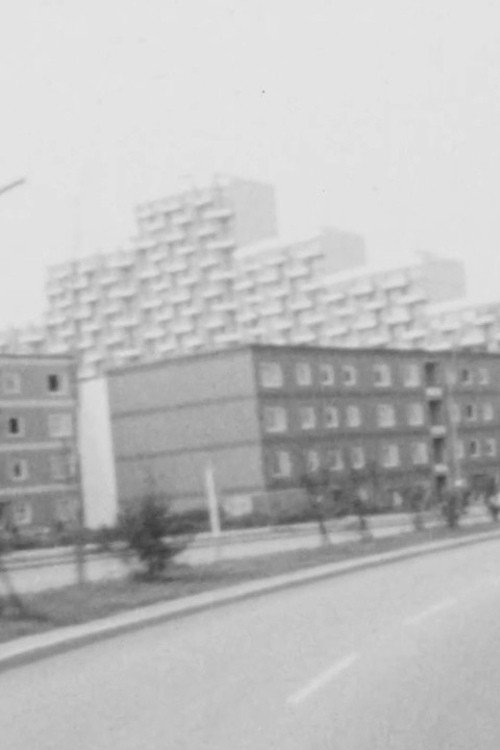
Osdorfer Born. Werbefilm für die “Hamburger Bautage 1969” 1969
Osdorfer Born. Werbefilm für die "Hamburger Bautage 1969" (1969) stands as a compelling 11-minute documentary exploring post-war urban development in Hamburg.
Director: Christian Bau
Frequently Asked Questions
What is Osdorfer Born. Werbefilm für die "Hamburger Bautage 1969" (1969) about?
This short documentary follows film student Christian Bau's critical examination of Hamburg's first major prefabricated housing development, Osdorfer Born. Using 16mm footage and resident interviews, it explores how modernist architecture reshaped community life on the city's western edge during the late 1960s.
Who directed Osdorfer Born. Werbefilm für die "Hamburger Bautage 1969"?
Christian Bau directed this documentary as one of five HFBK film students commissioned by the Hamburg Building Authority for their Construction Days event in 1969.
Who stars in Osdorfer Born. Werbefilm für die "Hamburger Bautage 1969"?
Cast information for this documentary is not available, as it features interviews with residents and workers rather than traditional actors.
Is Osdorfer Born. Werbefilm für die "Hamburger Bautage 1969" (1969) worth watching?
At just 11 minutes, this documentary provides an intriguing glimpse into 1960s German urban planning through a student filmmaker's critical lens. Architecture and history enthusiasts will appreciate its thoughtful approach to examining social housing's human impact.
How long is Osdorfer Born. Werbefilm für die "Hamburger Bautage 1969"?
The documentary runs for 11 minutes, making it a concise but impactful viewing experience.
About Osdorfer Born. Werbefilm für die "Hamburger Bautage 1969" (1969) — Critical Housing Documentary
Osdorfer Born. Werbefilm für die "Hamburger Bautage 1969" (1969) stands as a compelling 11-minute documentary exploring post-war urban development in Hamburg. Directed by Christian Bau, this short film offers a critical examination of Osdorfer Born, the city's pioneering prefabricated housing estate constructed between 1967 and 1969 by Neue Heimat, SAGA, and other housing companies. Through intimate 16mm cinematography and thoughtful interview segments, Bau captures the stark realities of modernist architecture's impact on community life.
The film presents a fascinating contrast between ambitious housing policies and lived human experience, making it a valuable historical document of late 1960s German urban planning. Its concise runtime belies its powerful critique of large-scale social housing projects. Viewers interested in architectural documentaries or German cinema history will find this student-produced work surprisingly sophisticated in its approach to examining how concrete landscapes shape daily life.
This documentary piece serves as both historical artifact and critical commentary, offering insights into the social tensions that emerged from rapid urban expansion. The integration of SAGA's promotional text with on-the-ground perspectives creates a nuanced portrait that transcends typical promotional filmmaking.