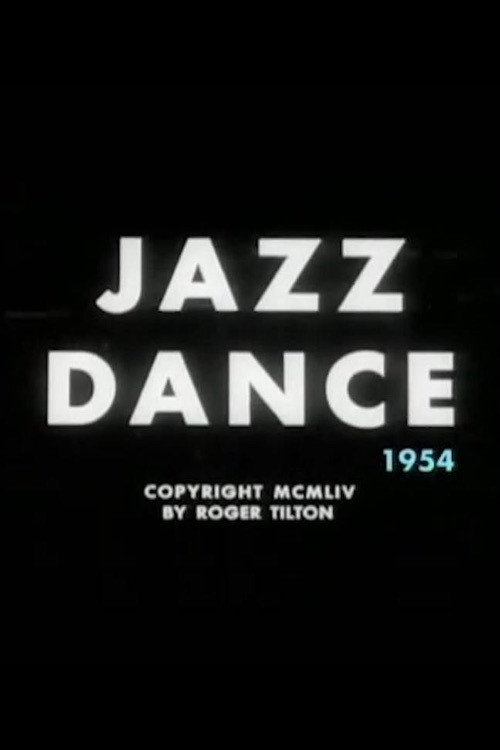
Jazz Dance 1954
Jazz Dance (1954) transports viewers into the raw, unfiltered energy of a Manhattan dance club through the lens of Roger Tilton's groundbreaking documentary.
Director: Roger Tilton
Cast
Frequently Asked Questions
What is Jazz Dance (1954) about?
Jazz Dance (1954) follows the transformation of a Manhattan dance club from a quiet space into a lively, pulsating hotspot for jazz enthusiasts. The documentary immerses viewers in the raw energy of live performances, capturing the spontaneous rhythm and passion of the era.
Who directed Jazz Dance?
Roger Tilton directed Jazz Dance, crafting a visually striking documentary that prioritized intimacy and immediacy over polished production.
Who stars in Jazz Dance?
The film features jazz legends Jimmy McPartland, Pee Wee Russell, and Willie 'The Lion' Smith, whose performances anchor the documentary's electrifying atmosphere.
Is Jazz Dance (1954) worth watching?
As a 22-minute jazz documentary, Jazz Dance (1954) offers a unique, immersive experience that fans of the genre and documentary filmmaking will appreciate. Its raw energy and historic significance make it a hidden gem worth tracking down.
How long is Jazz Dance?
Jazz Dance has a runtime of 22 minutes.
About Jazz Dance (1954) — A Short But Electrifying Jazz Documentary You Need to See
Jazz Dance (1954) transports viewers into the raw, unfiltered energy of a Manhattan dance club through the lens of Roger Tilton's groundbreaking documentary. Shot with handheld cameras and minimal lighting, the film captures the transformation of an empty space into a smoldering, hypnotic bacchanal where movement and music intertwine. The intimate, almost feverish atmosphere is amplified by the presence of jazz legends like Jimmy McPartland and Pee Wee Russell, whose performances lend the documentary its soul-stirring authenticity. This short but electrifying film isn't just a snapshot of a bygone era—it's a visceral experience that bridges the gap between observer and participant.
Pioneering in its approach, Jazz Dance (1954) shattered conventions with its raw, immersive style, offering a glimpse into the underground jazz scene of the 1950s. The documentary's ability to capture spontaneous emotion and unscripted energy makes it a cult classic among music and film enthusiasts alike, blending documentary precision with the frenetic pulse of live jazz.