Pan 3 1974
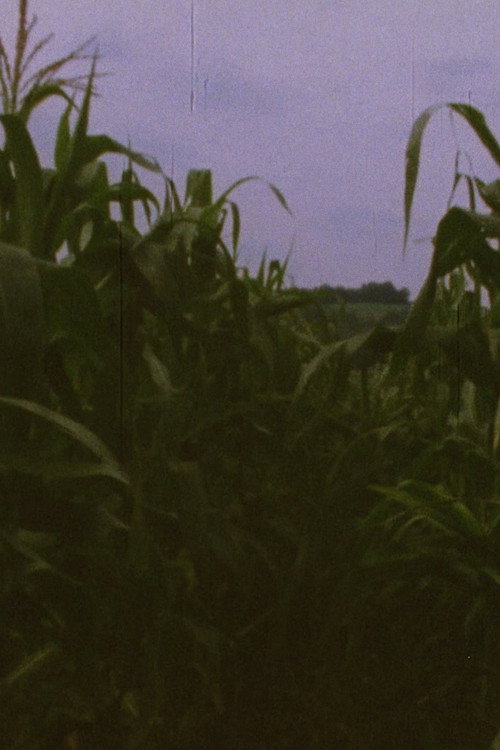
Hollis Frampton's *Pan 3* (1974) is a fleeting but mesmerizing 2-minute documentary that captures the quiet majesty of a cornfield in motion.
Director: Hollis Frampton
Frequently Asked Questions
What is Pan 3 (1974) about?
*Pan 3* is an experimental documentary that uses a single, slow camera pan to explore a cornfield's textures and movements. The film captures the interplay of light and shadow across the stalks, turning an ordinary landscape into a meditative visual experience.
Who directed Pan 3?
*Pan 3* was directed by Hollis Frampton, a pioneering figure in avant-garde and experimental cinema known for his innovative techniques and conceptual rigor.
Who stars in Pan 3?
Cast information for *Pan 3* is not publicly available, as the film is a non-narrative documentary focused on visual imagery rather than performers.
Is Pan 3 (1974) worth watching?
As a 2-minute experimental short, *Pan 3* is best suited for viewers who appreciate minimalist, atmospheric cinema. Its brevity and abstract nature make it a niche but rewarding experience for fans of Frampton's work or avant-garde filmmaking.
How long is Pan 3?
The runtime of *Pan 3* is 2 minutes.
About Pan 3 (1974) — A 2-Minute Poetic Pan Through a Cornfield
Hollis Frampton's *Pan 3* (1974) is a fleeting but mesmerizing 2-minute documentary that captures the quiet majesty of a cornfield in motion. Through a slow, sweeping camera pan, the film transforms an everyday agricultural landscape into a meditative study of light, texture, and natural rhythm. Frampton, known for his experimental approach to cinema, distills movement into its purest form, turning rows of corn into a rhythmic ballet of rustling leaves and shifting shadows. The result is a poetic snapshot of time, where stillness and motion blur into a single, hypnotic experience.
Shot with minimalist precision, *Pan 3* eschews narrative in favor of pure sensory immersion. The absence of dialogue or score allows the viewer to fully engage with the film's visual poetry, where even the smallest details—a stalk bending in the wind, sunlight dappling the earth—become moments of quiet revelation. For fans of avant-garde cinema, this brief yet striking work offers a glimpse into the power of experimental filmmaking to elevate the mundane into the extraordinary.