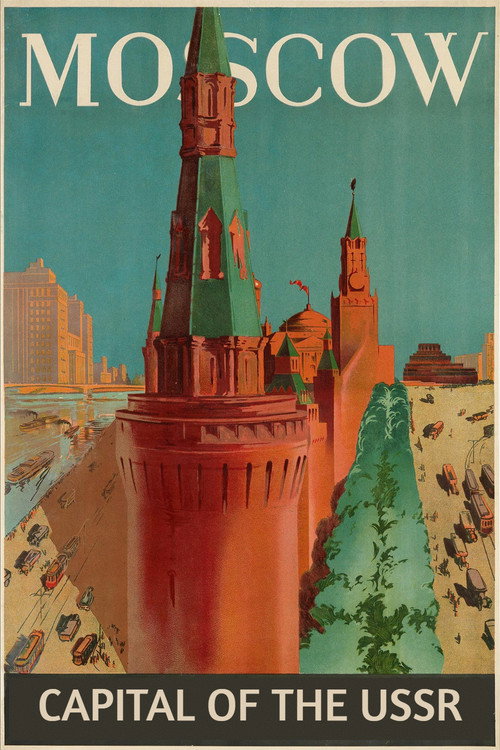
Moscow, Capital of the USSR 1947
This 1947 documentary from director Lidiya Stepanova offers a sweeping visual chronicle of Moscow's transformation from the thrilling days of the October Revolution to the resilient rebuilding of the postwar era.
Director: Lidiya Stepanova
Cast
Frequently Asked Questions
What is Moscow, Capital of the USSR (1947) about?
This documentary traces the dynamic history of Moscow from the October Revolution through to the country's postwar recovery. It showcases key political and social changes, with a focus on the city's role as the heart of the USSR during a transformative era.
Who directed Moscow, Capital of the USSR?
Moscow, Capital of the USSR was directed by Lidiya Stepanova, a filmmaker known for her documentary work during the Stalinist era.
Who stars in Moscow, Capital of the USSR?
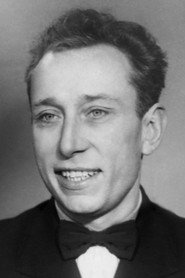
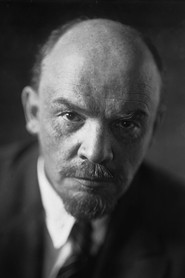
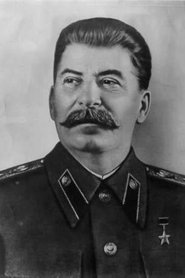
The film features notable performances from Leonid Khmara alongside archival appearances of Vladimir Lenin, Joseph Stalin, and other historical figures like Semyon Budyonny.
Is Moscow, Capital of the USSR (1947) worth watching?
While unrated on IMDb, this documentary offers a fascinating glimpse into Soviet history and Moscow's pivotal role in the 20th century. Its concise runtime and historical depth make it a rewarding watch for fans of documentary films and Cold War-era cinema.
How long is Moscow, Capital of the USSR?
The film has a runtime of 58 minutes.
About Moscow, Capital of the USSR (1947) — A Cinematic Journey Through Soviet History
This 1947 documentary from director Lidiya Stepanova offers a sweeping visual chronicle of Moscow's transformation from the thrilling days of the October Revolution to the resilient rebuilding of the postwar era. Through archival footage and stirring narration, the film captures the city's evolution under Soviet leadership, highlighting monumental milestones and the indomitable spirit of its people. With a runtime of just 58 minutes, Moscow, Capital of the USSR (1947) blends historical gravitas with cinematic artistry, immersing viewers in the political and social heartbeat of mid-20th century Russia.
The documentary features standout performances from Leonid Khmara and historical figures like Vladimir Lenin and Joseph Stalin, framed within a gripping documentary format. Stepanova's direction lends a sense of urgency and pride to the reconstruction narrative, making it a compelling watch for history enthusiasts and film buffs alike. The film's blend of archival authenticity and Soviet-era optimism creates an atmosphere that's both educational and deeply evocative.