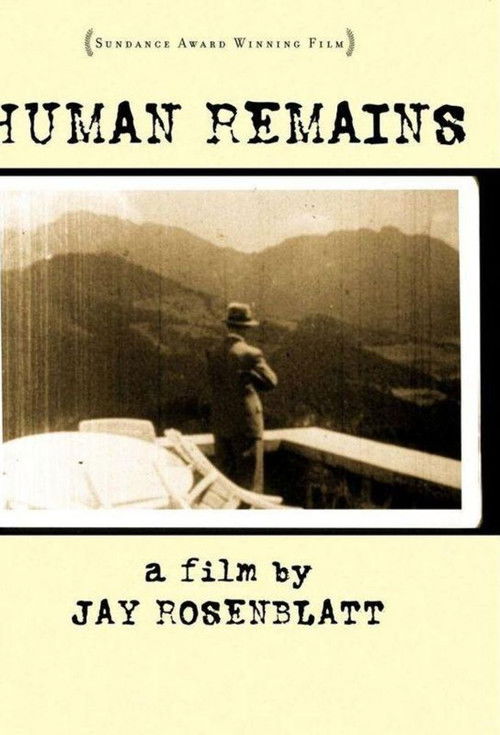
Human Remains 1998
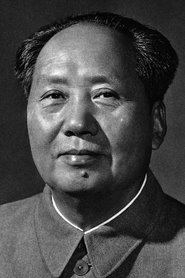
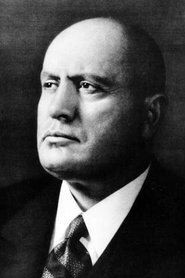
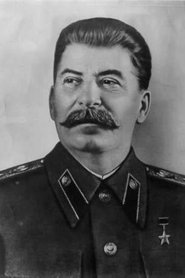
Jay Rosenblatt's *Human Remains (1998)* strips away the monstrous public personas of history's most notorious dictators—Hitler, Mussolini, Stalin, Franco, and Mao—and lays bare the unsettling banality of their private lives.
Director: Jay Rosenblatt
Cast

Frequently Asked Questions
What is Human Remains (1998) about?
*Human Remains* peels back the curtain on five of the 20th century's most notorious dictators by focusing solely on their private lives. The film explores their mundane routines, tastes, and habits—like favorite meals or peculiar quirks—without delving into their public personas or historical atrocities. It's a stark, unsettling look at the banality behind the brutality.
Who directed Human Remains?
The film was directed by Jay Rosenblatt, a filmmaker known for blending documentary with provocative, often unsettling perspectives on history and human behavior.
Who stars in Human Remains?
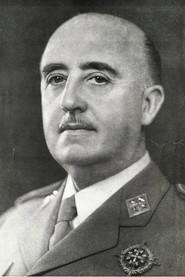
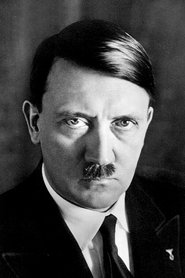
The documentary features intimate portrayals of Adolf Hitler, Benito Mussolini, Joseph Stalin, Francisco Franco, and Mao Zedong, though no living actors are credited.
Is Human Remains (1998) worth watching?
As a 30-minute documentary, *Human Remains* offers a unique and thought-provoking angle on some of history's darkest figures. While it won't appeal to everyone due to its unsettling subject matter, its bold approach to storytelling makes it a standout in the genre. Whether it's 'worth it' depends on your interest in psychological and historical exploration.
How long is Human Remains?
Human Remains runs for 30 minutes.
About Human Remains (1998) — A chilling peek into the everyday lives of history's worst tyrants
Jay Rosenblatt's *Human Remains (1998)* strips away the monstrous public personas of history's most notorious dictators—Hitler, Mussolini, Stalin, Franco, and Mao—and lays bare the unsettling banality of their private lives. Through meticulously researched yet intimate vignettes, the film peels back the layers of these tyrants, revealing not just their mundane daily rituals but also their peculiar habits, tastes, and eccentricities. There's no glorification of their atrocities here, only an unflinching gaze into the trivial details that make them feel hauntingly human. The black-and-white aesthetic and stark simplicity amplify the discomfort, transforming a 30-minute documentary into a chilling meditation on power, evil, and the banality that lurks beneath it.
This isn't a history lesson or a political exposé—it's a psychological unraveling. By focusing on the personal rather than the political, Rosenblatt forces viewers to confront uncomfortable truths: these figures weren't one-dimensional villains, but flawed, often ridiculous individuals with complex personalities. The result is a film that lingers long after the credits roll, leaving you to ponder how such banality could coexist with such unfathomable cruelty.