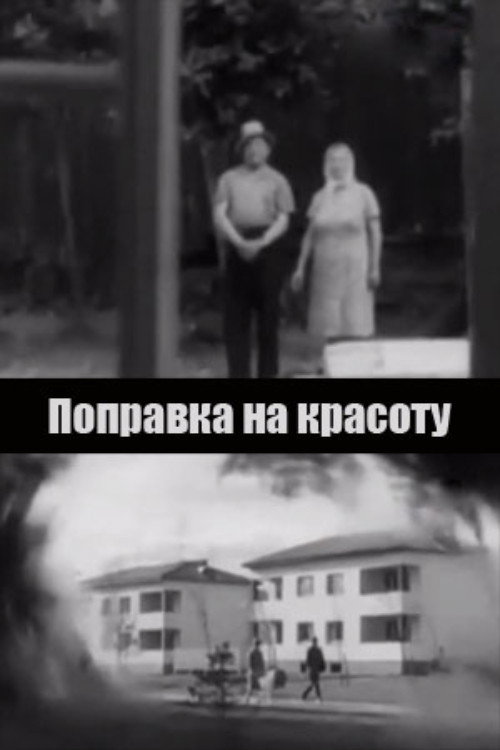
A Clause for Beauty 1971
Directed by Mikhail Litvyakov, "A Clause for Beauty (1971)" is a Soviet-era documentary that dives into a lively village council debate over rural redevelopment.
Director: Mikhail Litvyakov
Frequently Asked Questions
What is A Clause for Beauty (1971) about?
The film follows a village council debate where locals passionately argue for practical, modest homes with basements and small gardens—ideal for keeping a piglet close by. Their wishes clash with the authorities' plan to build standardized high-rises, highlighting the tension between community needs and top-down policies.
Who directed A Clause for Beauty?
Mikhail Litvyakov directed this 1971 documentary, known for his keen eye on Soviet social dynamics.
Who stars in A Clause for Beauty?
Cast details for this documentary are not listed, but it features real villagers debating their community's future.
Is A Clause for Beauty (1971) worth watching?
While unrated on IMDb, this 19-minute documentary offers a fascinating glimpse into Soviet rural life and bureaucratic clashes. Its sharp themes and concise runtime make it a compelling watch for fans of political and social films.
How long is A Clause for Beauty?
The film runs for 19 minutes.
About A Clause for Beauty (1971) — A short Soviet doc on rural dreams vs. planners' plans
Directed by Mikhail Litvyakov, "A Clause for Beauty (1971)" is a Soviet-era documentary that dives into a lively village council debate over rural redevelopment. The film captures the community's quirky yet heartfelt demands: cozy two-story homes with basements for pickles and cellars, small gardens for fresh produce, and space for a pet piglet—all within arm's reach. But the catch? The authorities have already decided on standardized high-rises, sparking a clash between practical dreams and top-down planning. Litvyakov's sharp observational style contrasts the warmth of village life with the cold efficiency of bureaucratic decisions, creating a poignant snapshot of 1970s Soviet society.
Atmospherically, the film blends dry humor with quiet frustration, as neighbors argue over the finer points of rural living—like why a basement matters more than a ninth-floor elevator. With a runtime of just 19 minutes, it's a concise yet richly textured look at how personal needs collide with grand visions, making it a hidden gem for fans of political and social documentaries.