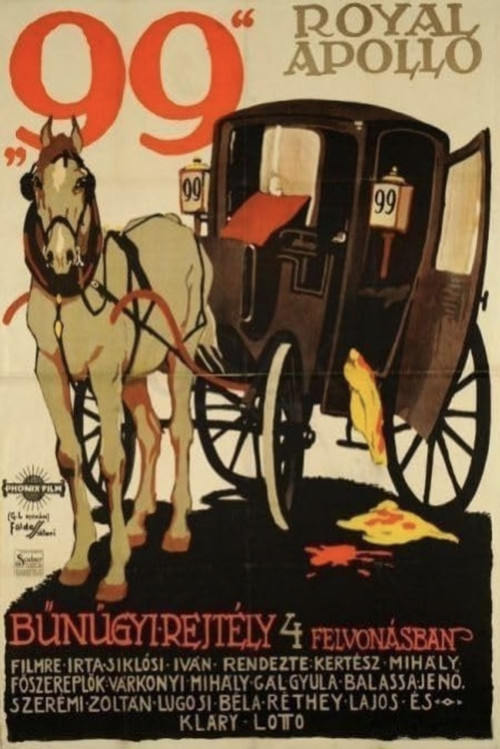
99 1918
Step into the shadowy world of early silent cinema with *99 (1918)*, a gripping crime drama helmed by the legendary Michael Curtiz. This atmospheric thriller weaves a tale of intrigue and moral conflict, set against a backdrop of early 20th-century urban life.
Director: Michael Curtiz
Cast



Frequently Asked Questions
What is 99 (1918) about?
*99 (1918)* follows a group of characters entangled in a web of crime and moral dilemmas, where loyalties are tested and betrayals run deep. The film's narrative unfolds with a gripping sense of suspense, exploring the consequences of actions in a world where justice is not always clear-cut. It's a stark portrayal of human frailty and resilience.
Who directed 99?
The film was directed by the visionary Michael Curtiz, a master of early cinema whose career would later include iconic works like *Casablanca*.
Who stars in 99?
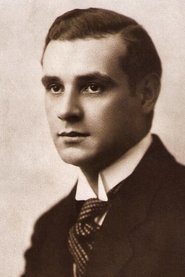
The cast features Victor Varconi, Lajos Réthey, Jenö Balassa, Bela Lugosi, and Zoltán Szerémi, with Cläre Lotto rounding out the ensemble in a standout role.
Is 99 (1918) worth watching?
While *99 (1918)* lacks an IMDb rating, its historical significance as an early Curtiz film and its gripping crime-drama narrative make it a compelling watch for silent cinema enthusiasts. The film's atmospheric tension and moral complexity offer a unique cinematic experience that stands the test of time.
How long is 99?
Runtime details are not listed for *99 (1918)*.
About 99 (1918) — Early Michael Curtiz Crime Drama Uncovered
Step into the shadowy world of early silent cinema with *99 (1918)*, a gripping crime drama helmed by the legendary Michael Curtiz. This atmospheric thriller weaves a tale of intrigue and moral conflict, set against a backdrop of early 20th-century urban life. The film immerses viewers in a web of suspense as characters grapple with loyalty, betrayal, and the blurred lines between justice and crime. Curtiz's direction infuses the story with a sense of urgency and moral ambiguity, capturing the tension of a society on the brink of change. With its stark visual storytelling and haunting performances, *99* offers a rare glimpse into the cinematic craftsmanship of an era when filmmaking was still finding its voice.
At its core, *99 (1918)* explores the human condition through the lens of crime and drama, drawing audiences into a narrative that resonates with timeless themes. The film's minimalist yet powerful approach to storytelling reflects the constraints and creativity of silent cinema, where every frame and gesture conveyed meaning. As the characters navigate their fates, the audience is left to ponder the deeper implications of their choices, making *99* more than just a relic of the past—it's a testament to the enduring power of cinema to provoke thought and emotion.