Thaumatropes 1984
Dive into the enchanting world of early cinema with *Thaumatropes (1984)*, the 16th installment in the whimsical Magica series exploring pre-cinematic wonders. Directed by Pierre Levie, this seven-minute documentary transports viewers to the 19th century, where London doctor Mr.
Director: Pierre Levie
Frequently Asked Questions
What is *Thaumatropes (1984)* about?
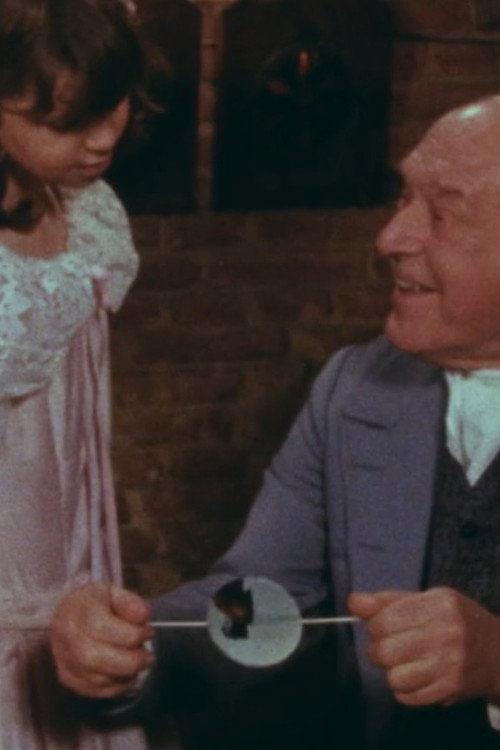
*Thaumatropes (1984)* follows the fictional Mr. Seymour as he introduces his groundbreaking thaumatrope—a spinning toy that merges two images into one—to a young girl. The film explores how this early optical device worked, its limitations, and Seymour's clever improvements, all while showcasing historical examples of the thaumatrope in action.
Who directed *Thaumatropes*?
*Thaumatropes* was directed by Pierre Levie, a filmmaker known for his work in the Magica series, which delves into the early history of cinema and visual illusions.
Who stars in *Thaumatropes*?
Film details about the cast are not widely documented, as *Thaumatropes* (1984) is a documentary-style short focusing on the thaumatrope's history rather than a traditional cast.
Is *Thaumatropes (1984)* worth watching?
As a seven-minute documentary, *Thaumatropes (1984)* is a niche but fascinating watch for film history buffs. Its educational value and nostalgic charm make it a delightful short, though its brevity and specialized subject may not appeal to all audiences.
How long is *Thaumatropes*?
*Thaumatropes (1984)* runs for 7 minutes.
About Thaumatropes (1984) — A Magical Peek into Pre-Cinema History
Dive into the enchanting world of early cinema with *Thaumatropes (1984)*, the 16th installment in the whimsical Magica series exploring pre-cinematic wonders. Directed by Pierre Levie, this seven-minute documentary transports viewers to the 19th century, where London doctor Mr. Paris's fictional character, Mr. Seymour, demonstrates his ingenious invention: the thaumatrope. This simple yet revolutionary optical toy merges two images into one—a bird in a cage, for instance—when spun with a string. Levie's playful yet educational approach blends historical curiosity with a touch of magic, making it a fascinating glimpse into the birth of visual storytelling. The film's imperfect superimpositions and Seymour's inventive solutions add a layer of charm, while practical demonstrations highlight the evolution of motion pictures.
Though short, *Thaumatropes (1984)* packs a punch for film history enthusiasts, offering a nostalgic trip through the experimental roots of cinema. Its documentary style, rich with historical context, invites audiences to ponder how small innovations paved the way for modern filmmaking. Levie's direction ensures the film is as informative as it is delightful, capturing the curiosity and ingenuity of an era when even the simplest devices sparked wonder.