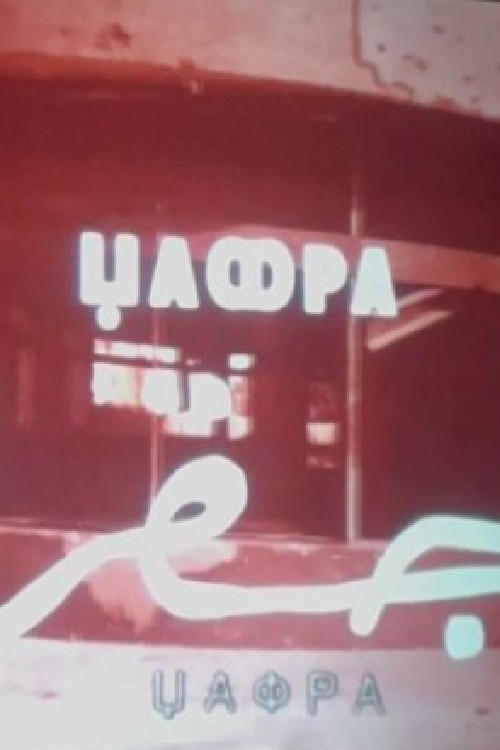
Jafra 1978
Jafra (1978), directed by Kiril Cenevski, is a poignant 20-minute documentary that captures the raw voices of Palestinian women navigating life under occupation.
Director: Kiril Cenevski
Frequently Asked Questions
What is Jafra (1978) about?
Jafra is a 20-minute documentary that gives voice to Palestinian women sharing their experiences of life under occupation, displacement, and their unwavering connection to their homeland. The film explores both the pain of exile and the quiet strength of resistance, using personal stories to reflect broader struggles of a nation.
Who directed Jafra?
Jafra was directed by Kiril Cenevski, a filmmaker known for his work in documentary and cultural narratives.
Who stars in Jafra?
As a documentary, Jafra primarily features the testimonies of Palestinian women whose real-life stories form the heart of the film.
Is Jafra (1978) worth watching?
While brief, Jafra offers a powerful and intimate look at a pivotal moment in Palestinian history. Its unfiltered perspective and emotional depth make it a compelling watch for those interested in documentary films or social justice themes. The 20-minute runtime keeps it accessible without sacrificing impact.
How long is Jafra?
Jafra has a runtime of 20 minutes.
About Jafra (1978) — A 20-Minute Documentary on Palestinian Resilience and Exile
Jafra (1978), directed by Kiril Cenevski, is a poignant 20-minute documentary that captures the raw voices of Palestinian women navigating life under occupation. Through their personal stories, the film paints a vivid portrait of displacement, resilience, and unyielding love for homeland, framed through the evocative metaphor of "Jafra"—a symbol of both beauty and loss. Shot in 1978, the documentary immerses viewers in the emotional and political struggles of these women, blending their testimonies with a sense of quiet defiance and cultural pride. The atmosphere is intimate yet charged, grounding heavy themes in deeply human experiences.
The title itself carries weight, rooted in solidarity with the Palestinian cause, where "Jafra" represents more than a name—it embodies a dream of return, an idealized homeland now fractured by exile. Cenevski's direction focuses on authenticity, letting the women's words and expressions take center stage. This isn't just a film about resistance; it's an intimate meditation on memory, identity, and the enduring spirit of a people fighting to hold onto their roots despite relentless adversity.