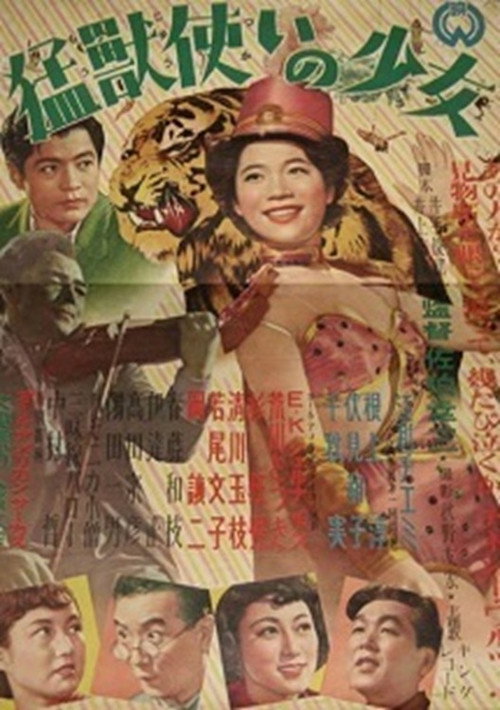
Mōjū Tsukai no Shōjo 1952
Step into the haunting world of Kōzō Saeki's *Mōjū Tsukai no Shōjo* (1952), a poignant black-and-white Japanese drama that lingers long after the credits roll.
Director: Kōzō Saeki
Cast


Frequently Asked Questions
What is Mōjū Tsukai no Shōjo (1952) about?
This 1952 Japanese drama follows a young woman navigating personal and societal challenges in post-war Japan. The film explores themes of resilience and fate through her journey, framed by the stark realities of her time.
Who directed Mōjū Tsukai no Shōjo?
The film was directed by Kōzō Saeki, a notable figure in early Japanese cinema known for his ability to blend emotional depth with visual storytelling.
Who stars in Mōjū Tsukai no Shōjo?
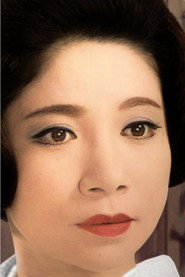
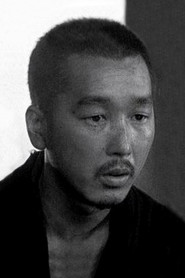
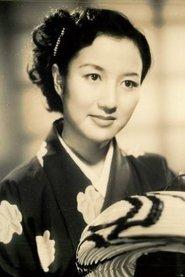
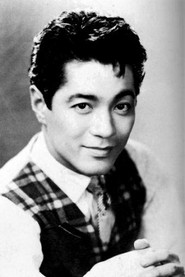
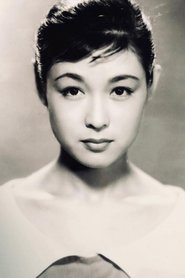
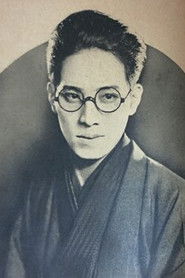
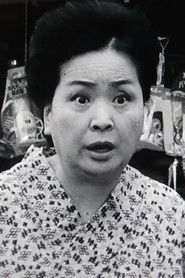
The cast includes Chiemi Eri, Minoru Chiaki, Joji Oka, Satsuki Arakawa, and Jun Negami, each delivering performances that anchor the film's emotional weight.
Is Mōjū Tsukai no Shōjo (1952) worth watching?
Fans of classic drama and early Japanese cinema will find much to appreciate in *Mōjū Tsukai no Shōjo*. Its restrained atmosphere and emotional resonance make it a compelling choice for those seeking substance over spectacle.
How long is Mōjū Tsukai no Shōjo?
The runtime of *Mōjū Tsukai no Shōjo* is 95 minutes.
About Mōjū Tsukai no Shōjo (1952) — Uncovering the Emotional Depth of Early Japanese Cinema
Step into the haunting world of Kōzō Saeki's *Mōjū Tsukai no Shōjo* (1952), a poignant black-and-white Japanese drama that lingers long after the credits roll. Set against a backdrop of post-war Japan, this 95-minute film weaves a tale of quiet desperation and quiet resilience through its stark visuals and deep emotional undercurrents. At its heart, the story follows a young woman portrayed by the luminous Chiemi Eri, whose journey is as much about self-discovery as it is about confronting the shadows of the past. With themes woven into the fabric of everyday life, Saeki crafts an atmosphere that is both melancholic and strangely uplifting, leaving audiences to ponder the resilience of the human spirit.
The film's power lies in its simplicity—no grand performances or lavish sets, just raw emotion captured in every frame. Joined by standout performances from Minoru Chiaki and Joji Oka, *Mōjū Tsukai no Shōjo* stands as a testament to early Japanese cinema's ability to evoke depth through restraint. For lovers of drama that lingers and stories that resonate, this 1952 gem remains a compelling watch decades later.