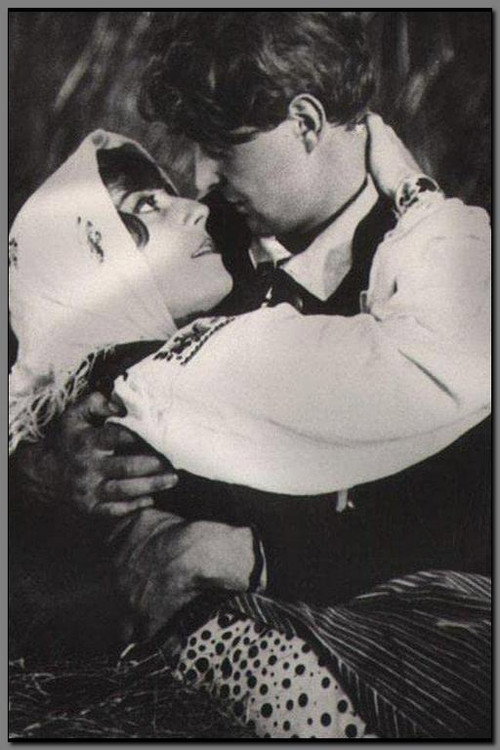
Cham 1931
In 1931, director Jan Nowina-Przybylski crafted *Cham*, a poignant Polish romance-drama that dives into the complexities of redemption and transformation.
Director: Jan Nowina-Przybylski
Cast

Frequently Asked Questions
What is Cham (1931) about?
*Cham* follows Franka, a young woman left broken after a violent encounter in Warsaw. Desperate for change, she accepts a doctor's offer to work as a maid in the countryside, where she meets Paweł, a simple farmer. Their unexpected romance unfolds against the backdrop of rural monotony and Franka's unresolved past.
Who directed Cham?
The film was directed by Jan Nowina-Przybylski, a notable figure in early Polish cinema who brought a raw, emotional depth to his storytelling.
Who stars in Cham?
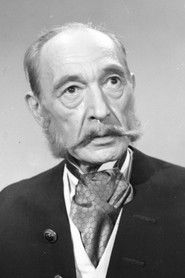
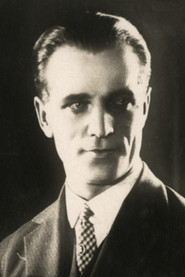
The cast features Krystyna Ankwicz as Franka, Mieczysław Cybulski as Paweł, and Eugeniusz Gielba among the supporting roles, delivering performances that anchor the film's dramatic weight.
Is Cham (1931) worth watching?
While not rated on IMDb, *Cham* offers a compelling snapshot of early Polish cinema with its themes of redemption and societal contrast. Its 71-minute runtime makes it a concise but thought-provoking watch for fans of classic romance-drama films.
How long is Cham?
The film runs for 71 minutes, a concise runtime that keeps the story tight and engaging.
About Cham (1931) — A Gritty Polish Romance About Redemption and Love
In 1931, director Jan Nowina-Przybylski crafted *Cham*, a poignant Polish romance-drama that dives into the complexities of redemption and transformation. The film follows Franka, a young woman surviving the harsh streets of Warsaw, who finds herself entangled in a violent confrontation that leaves her wounded. After a hospital stay, she seizes an opportunity to escape her past when a compassionate doctor offers her a fresh start as a maid in the idyllic countryside. There, she crosses paths with Paweł, a kind-hearted farmer whose simplicity and earnestness captivate her. Despite her initial intentions to leave her troubled history behind, Franka's restless spirit struggles to adapt to the quiet rhythms of rural life, setting the stage for a bittersweet tale of love and self-discovery.
As Franka and Paweł's relationship deepens, the film explores the tension between personal freedom and societal expectations, all while maintaining a melancholic yet hopeful tone. The story's rural backdrop contrasts sharply with Franka's urban past, creating a visually striking and emotionally resonant narrative that lingers long after the final scene.