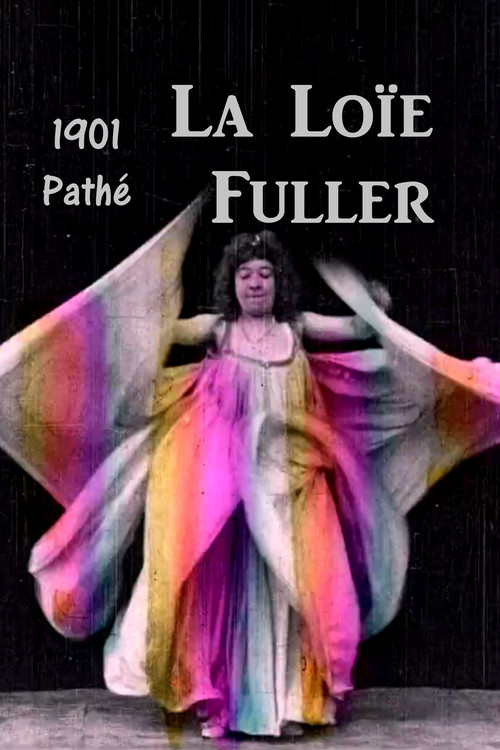
Loïe Fuller 1901
Step into the mesmerizing world of early cinema with Loïe Fuller (1901), a captivating 2-minute documentary that preserves one of the most iconic performances of the silent era.
Frequently Asked Questions
What is Loïe Fuller (1901) about?
This two-minute documentary captures a mesmerizing serpentine dance illuminated by stenciled rainbow colors, inspired by the legendary dancer Loïe Fuller. The film, though short, showcases the intersection of early motion-picture technology and artistic expression, preserving a fleeting moment of performance art from the early 1900s.
Who directed Loïe Fuller?
Director information is not available.
Who stars in Loïe Fuller?
The film features an unidentified dancer performing in the style of Loïe Fuller, a pioneering figure in theatrical dance and lighting techniques.
Is Loïe Fuller (1901) worth watching?
While Loïe Fuller (1901) is a niche historical artifact rather than a mainstream entertainment piece, it's a fascinating watch for film buffs and dance enthusiasts. Its significance lies in its pioneering use of color and movement, offering a unique window into the artistic innovations of the silent film era.
How long is Loïe Fuller?
Runtime details are not listed, but the film is widely described as a 2-minute short.
About Loïe Fuller (1901) — The Rainbow Serpentine Dance That Revolutionized Silent Film
Step into the mesmerizing world of early cinema with Loïe Fuller (1901), a captivating 2-minute documentary that preserves one of the most iconic performances of the silent era. Directed by an unknown filmmaker and shot by Pathé, this short film showcases a serpentine dance bathed in stenciled rainbow hues, a signature style inspired by the legendary dancer Loïe Fuller herself. Though the dancer remains unidentified, the film's visual poetry—swirling colors, fluid movements, and ethereal lighting—transports viewers to a bygone artistic era. As a groundbreaking example of early color cinematography and motion-picture innovation, Loïe Fuller (1901) offers a rare glimpse into the evolution of dance and film as intertwined art forms.
This cinematic gem stands as a testament to the experimental spirit of early 1900s filmmaking, where creativity pushed the boundaries of what was possible on screen. The hypnotic dance, set against a minimalist backdrop, relies entirely on movement and color to convey emotion, making it a timeless piece for film historians and silent cinema enthusiasts alike. Whether you're exploring the roots of documentary film or simply appreciating the artistry of a bygone performance, Loïe Fuller (1901) delivers a brief but unforgettable experience.