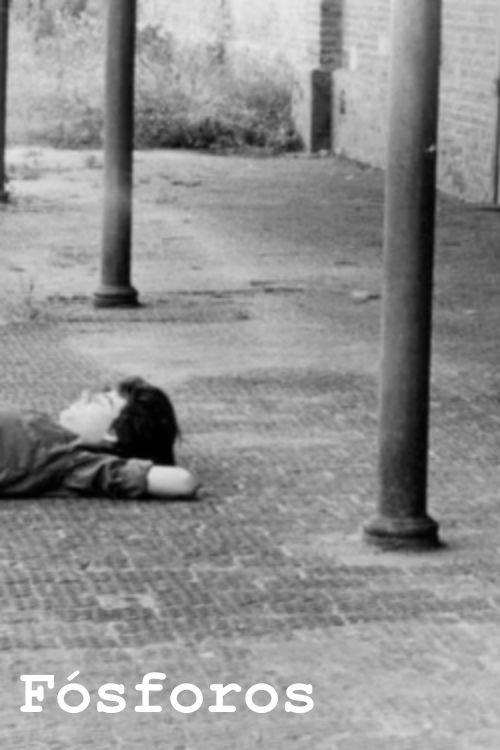
Fósforos (O una problemática para la sociedad del ocio) 1972
In 1972, a daring group of young UNL students crisscrossed the Argentine countryside in a beat-up Gordini, seeking inspiration for a short film on leisure shaped by Cesare Pavese's writings.
Director: Ruben Sartorelli
Cast
Frequently Asked Questions
What is Fósforos (O una problemática para la sociedad del ocio) (1972) about?
This short documentary follows a group of students in 1972 as they embark on a cinematic experiment exploring leisure, homoeroticism, and the male nude. Inspired by Cesare Pavese's texts, their project clashes with the conservative ideals of their time, leaving an unfinished film that was only rediscovered decades later.
Who directed Fósforos (O una problemática para la sociedad del ocio)?
Ruben Sartorelli directed this provocative short film, which remains one of his most intriguing works despite its unfinished status.
Who stars in Fósforos (O una problemática para la sociedad del ocio)?
The film features Carlos Fluxa, Joel Acosa, and Juana Obrutsky as the core student group behind this audacious project.
Is Fósforos (O una problemática para la sociedad del ocio) (1972) worth watching?
While its runtime is under 5 minutes, this short film offers a fascinating snapshot of 1970s counterculture and artistic rebellion. Its historical and thematic significance may appeal more to film scholars and enthusiasts than casual viewers, but its rediscovery makes it a compelling watch for those interested in underground cinema.
How long is Fósforos (O una problemática para la sociedad del ocio)?
The film runs for 4 minutes.
About Fósforos (O una problemática para la sociedad del ocio) (1972) — The lost 1972 short film that dared to challenge its era's artistic norms
In 1972, a daring group of young UNL students crisscrossed the Argentine countryside in a beat-up Gordini, seeking inspiration for a short film on leisure shaped by Cesare Pavese's writings. Their destination: the isolated rural outskirts near Estación Matilde in Santa Fe, where they planned to explore themes of homoeroticism and the male nude—challenging the rigid norms of their time. The silent, unfinished footage captures a moment frozen between rebellion and discovery, blending raw aesthetics with political undertones that defy the conservative artistic standards of the institute backing them. Decades later, the film resurfaced in 2025, offering a glimpse into a lost cinematic rebellion.
Directed by Ruben Sartorelli, *Fósforos (O una problemática para la sociedad del ocio) (1972)* is a fleeting but potent experiment in documentary storytelling. Its minimal runtime belies its bold thematic ambitions, weaving together youthful idealism, artistic defiance, and the unspoken tensions of a society obsessed with leisure yet resistant to its subversive potential.