L'écharpe 1911
Dive into the silent-era intrigue of *L'écharpe (1911)*, a short film directed by André Calmettes that weaves a web of suspense around a single, fateful scarf.
Director: André Calmettes
Cast

Frequently Asked Questions
What is L'écharpe (1911) about?
*L'écharpe* follows the consequences of a seemingly ordinary scarf as it becomes entangled in a web of secrets and betrayal in pre-WWI Paris. The film explores how a simple accessory can hold life-altering power, weaving a tale of drama and suspense through minimal dialogue and striking visuals.
Who directed L'écharpe?
L'écharpe was directed by André Calmettes, a pioneer in early French cinema known for his skill in crafting atmospheric and emotionally resonant stories.
Who stars in L'écharpe?
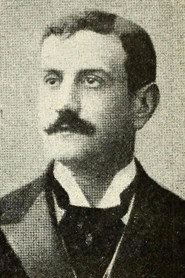
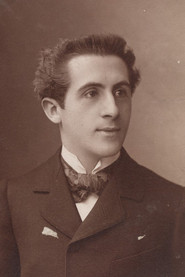
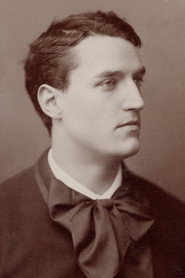
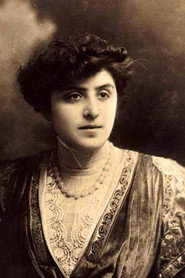
The film stars Henri Pouctal, Émile Dehelly, Berthe Bovy, Philippe Garnier, and Véra Sergine in key roles that bring the drama to life.
Is L'écharpe (1911) worth watching?
*L'écharpe* may be a short silent film, but its focus on suspense and symbolism makes it a compelling watch for fans of early cinema. While it lacks extensive historical records, its atmospheric storytelling and strong performances offer a glimpse into the cinematic techniques of the era.
How long is L'écharpe?
Runtime details for *L'écharpe (1911)* are not listed.
About L'écharpe (1911) — Silent-Era Mystery Wrapped in a Scarf
Dive into the silent-era intrigue of *L'écharpe (1911)*, a short film directed by André Calmettes that weaves a web of suspense around a single, fateful scarf. Set against the backdrop of early 20th-century Parisian society, the story revolves around the mysterious power of a scarf that becomes the centerpiece of a dramatic confrontation. Calmettes, known for his adept storytelling in early cinema, crafts a tale that blends melodrama with the subtle tension of a mystery. The atmosphere is thick with unspoken desires and hidden motives, as Berthe Bovy and Véra Sergine deliver performances that capture both vulnerability and strength, while Henri Pouctal and Émile Dehelly anchor the narrative with their commanding presence. The film's minimalist yet evocative tone makes it a fascinating snapshot of cinematic history.
*L'écharpe (1911)* stands out for its ability to convey emotion through visual storytelling, a hallmark of silent films. Though details of the plot remain sparse, the focus on a single object—a scarf—suggests themes of fate, identity, and the secrets we carry. The director's choice to center the narrative on such a mundane yet symbolically rich item elevates the film beyond a simple drama, inviting viewers to ponder the deeper meanings hidden in plain sight. For fans of early cinema or anyone curious about the origins of cinematic suspense, this short film offers a glimpse into the storytelling techniques that would shape future generations of filmmakers.