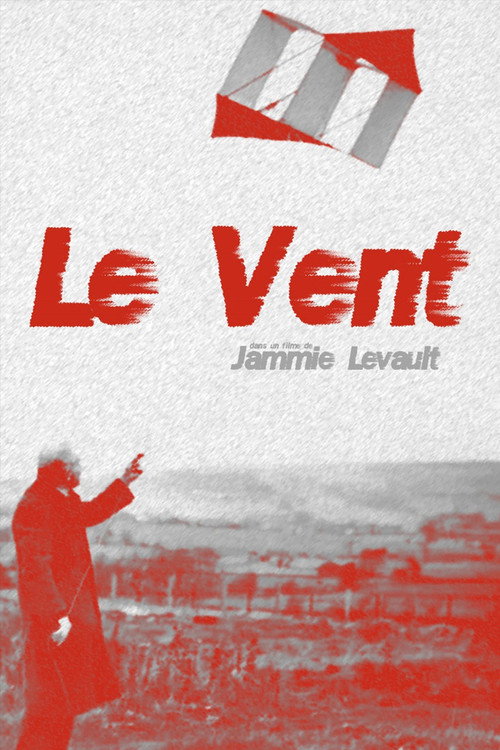
Le vent 1957
In the crisp, stark landscapes of 1950s France, *Le vent (1957)* captures a tale of human resilience against the relentless force of nature.
Director: Jammie Levaut
Frequently Asked Questions
What is Le vent (1957) about?
*Le vent (1957)* is a drama centered on characters battling the relentless force of nature in rural France. The film uses the metaphor of the wind to explore themes of endurance, isolation, and human resilience, all set against a stark and atmospheric landscape.
Who directed Le vent?
Le vent was directed by Jammie Levaut, a filmmaker known for his evocative storytelling and atmospheric visuals.
Who stars in Le vent?
Cast details for *Le vent (1957)* are not widely documented, adding to its mysterious allure.
Is Le vent (1957) worth watching?
*Le vent (1957)* is a compelling choice for fans of atmospheric dramas and character-driven narratives. While it may not be widely celebrated, its stark visual storytelling and thematic depth offer a unique viewing experience for those appreciating classic cinema.
How long is Le vent?
Runtime details are not listed for *Le vent (1957)*.
Le vent (1957): A Stark Drama of Survival and the Unrelenting Wind — Full Movie Info
In the crisp, stark landscapes of 1950s France, *Le vent (1957)* captures a tale of human resilience against the relentless force of nature. Directed by Jammie Levaut, this drama weaves a poignant story of survival and sacrifice, where the merciless wind becomes both antagonist and metaphor. The film's atmospheric tension mirrors the struggles of its characters as they confront isolation and adversity in a rural setting, evoking a sense of raw, unfiltered emotion. Levaut's direction lends the narrative a quiet intensity, drawing viewers into a world where the elements dictate fate, and every gust whispers secrets of endurance.
Set against the backdrop of a windswept countryside, *Le vent (1957)* explores themes of perseverance, the passage of time, and the indomitable spirit of those who refuse to yield to nature's whims. Though sparse in dialogue, the film's visual storytelling speaks volumes, immersing audiences in a hauntingly beautiful yet harsh reality. With its stark cinematography and evocative tone, this drama stands as a testament to the power of simplicity in cinema, leaving a lasting impression long after the credits roll.