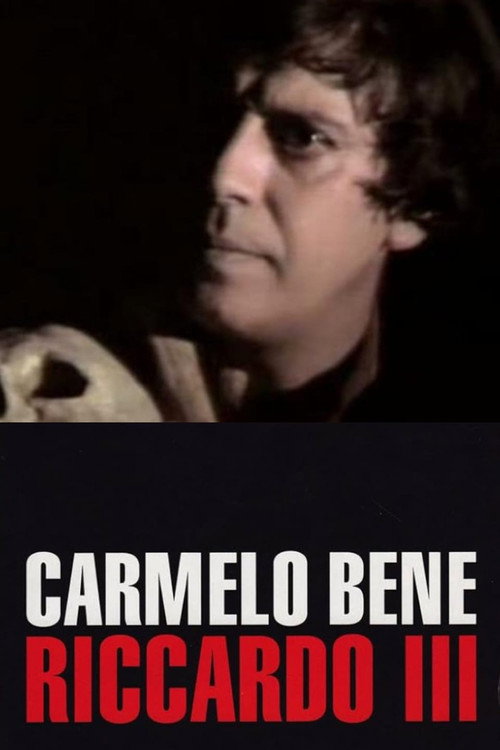
Riccardo III 1981
Carmelo Bene's *Riccardo III* (1981) reimagines Shakespeare's classic through a radical lens, stripping the tragedy down to its haunting core.
Director: Carmelo Bene
Cast




Frequently Asked Questions
What is Riccardo III (1981) about?
Carmelo Bene's experimental adaptation pares Shakespeare's *Richard III* down to its barest elements, focusing on the titular tyrant and the ghostly women who haunt him. Stripped of traditional plot and character development, the film becomes a haunting meditation on power, decay, and the remnants of history.
Who directed Riccardo III?
The film was directed by Carmelo Bene, the visionary Italian filmmaker and actor known for his avant-garde style and bold reinterpretations of classical works.
Who stars in Riccardo III?
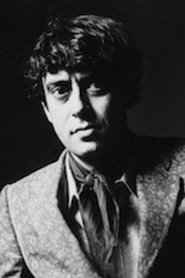
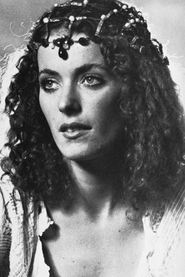
The cast features Carmelo Bene as Riccardo III, alongside Lydia Mancinelli, Maria Grazia Grassini, Susanna Javicoli, and Laura Morante in pivotal roles.
Is Riccardo III (1981) worth watching?
If you love experimental cinema or Shakespearean reinterpretations with a twist, *Riccardo III* is a fascinating watch. Its stark visuals and intellectual depth make it a standout for niche audiences, though its unconventional approach may not appeal to everyone.
How long is Riccardo III?
The runtime is 76 minutes, making it a concise yet impactful experience for fans of dense, atmospheric storytelling.
About Riccardo III (1981) — Carmelo Bene's Radical TV Movie Masterpiece
Carmelo Bene's *Riccardo III* (1981) reimagines Shakespeare's classic through a radical lens, stripping the tragedy down to its haunting core. Dedicated to philosopher Gilles Deleuze, this experimental TV movie transforms the stage play into a hypnotic visual experience, where Riccardo III lingers in stark isolation, surrounded only by spectral female figures. Bene's vision abandons conventional narrative, focusing instead on atmosphere and contrasts—exaggerated lighting and relentless close-ups create a surreal, almost claustrophobic ambiance. The result is a bold, avant-garde reinterpretation that challenges expectations while honoring the original's dark allure. Whether viewed as homage or subversion, it's a feast for fans of unconventional cinema.
Streaming as both a filmed stage performance and a cinematic experiment, *Riccardo III* (1981) blends comedy with eerie intensity, defying genre norms. Bene's dedication to Deleuze's theories infuses the production with intellectual depth, while the stark, minimalist staging amplifies the psychological weight of Riccardo's ghostly companions. The television format enhances its uncanny intimacy, making it a cult favorite for those drawn to boundary-pushing art.